Launch polymers
Four launch combinations share the high-low dense track.
Your cart is empty :(
Continue shopping
Lower prices. New tiers. More rewards.
Your cart
 KAIS
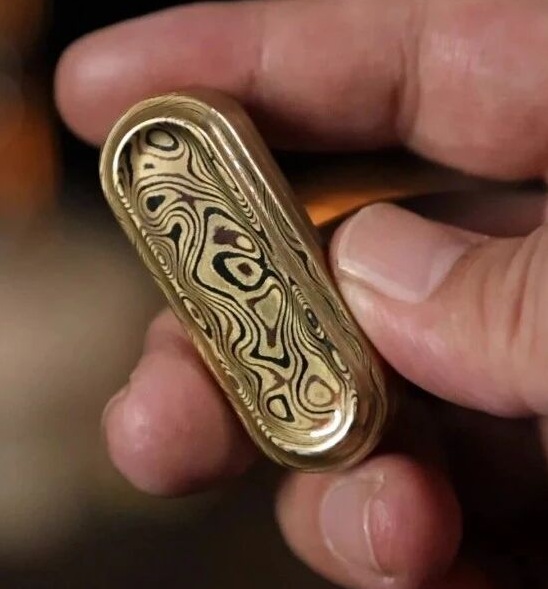
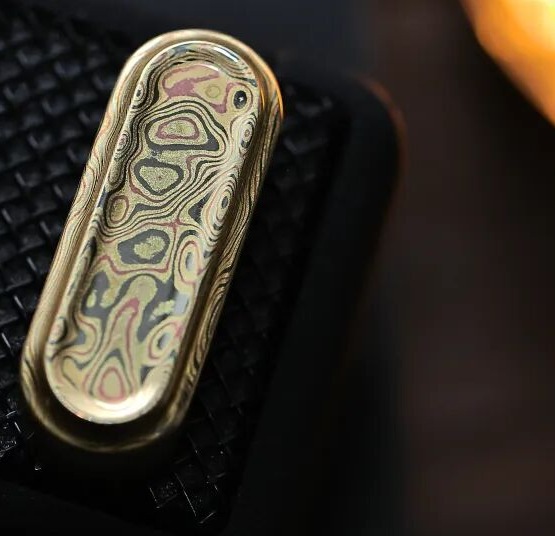
Small, tightly packed cells continue into the recessed face of the Coral Polyp Mokume. It was one of three randomly packed patterns in January 2026, each with an ultra-dense mechanical track.
TRB Creation · 2026-11-19
| Studio | KAIS |
|---|---|
| Documented hosts | 16 |
| Parts and anatomy records | 7 |
| Host materials | PEI, PEEK, 304 stainless steel, PEEK and stainless steel, Stainless steel, Zirconium alloy, Mokume (brass, copper, nickel silver), Stainless steel and brass |
The studio offered a mechanical module for RUYI Candy in 2024. Requests for matching upper and lower materials led to a thicker, screwless standalone RUYI-S in April 2025. Polished steel brought an ultra-dense track that June, followed by the DLC scale track, pearl stonewash and zirconium finishes in October. Three randomly packed Mokume patterns followed in January 2026. The October Beijing show notice introduced S Pro with a new shell and replaceable track.
Original releases from KSEDC studio and individually pictured complete hosts and inserts from the KAiS Taobao shop.
Small, tightly packed cells continue into the recessed face of the Coral Polyp Mokume. It was one of three randomly packed patterns in January 2026, each with an ultra-dense mechanical track.
No matching configuration. Clear the search or reset filters.
Concave faces and concentric grooves provide a seat for the thumb. Magnetic retention holds the layers together and adds resistance, while a ball crossing the high-low track produces the rhythmic detents. The PTFE insert and balls carry the sliding contact. Dense and ultra-dense refer to track spacing, a feature that shell color alone cannot establish.
Magnetic retention keeps the matching faces registered. Curved recesses and raised edges support the thumb.
Magnetic retention keeps the matching faces registered. Curved recesses and raised edges support the thumb.
RUYI-S shells, ball contact and high-low track
The studio offered a mechanical module for RUYI Candy in 2024. Requests for matching upper and lower materials led to a thicker, screwless standalone RUYI-S in April 2025. Polished steel brought an ultra-dense track that June, followed by the DLC scale track, pearl stonewash and zirconium finishes in October. Three randomly packed Mokume patterns followed in January 2026. The October Beijing show notice introduced S Pro with a new shell and replaceable track.
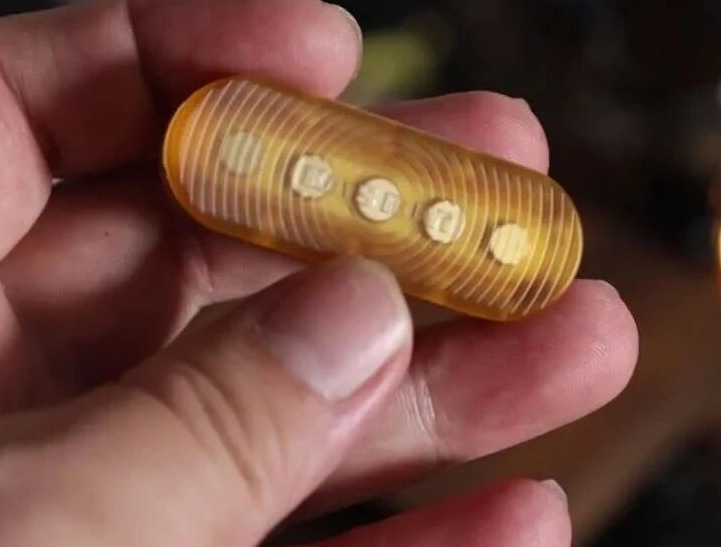
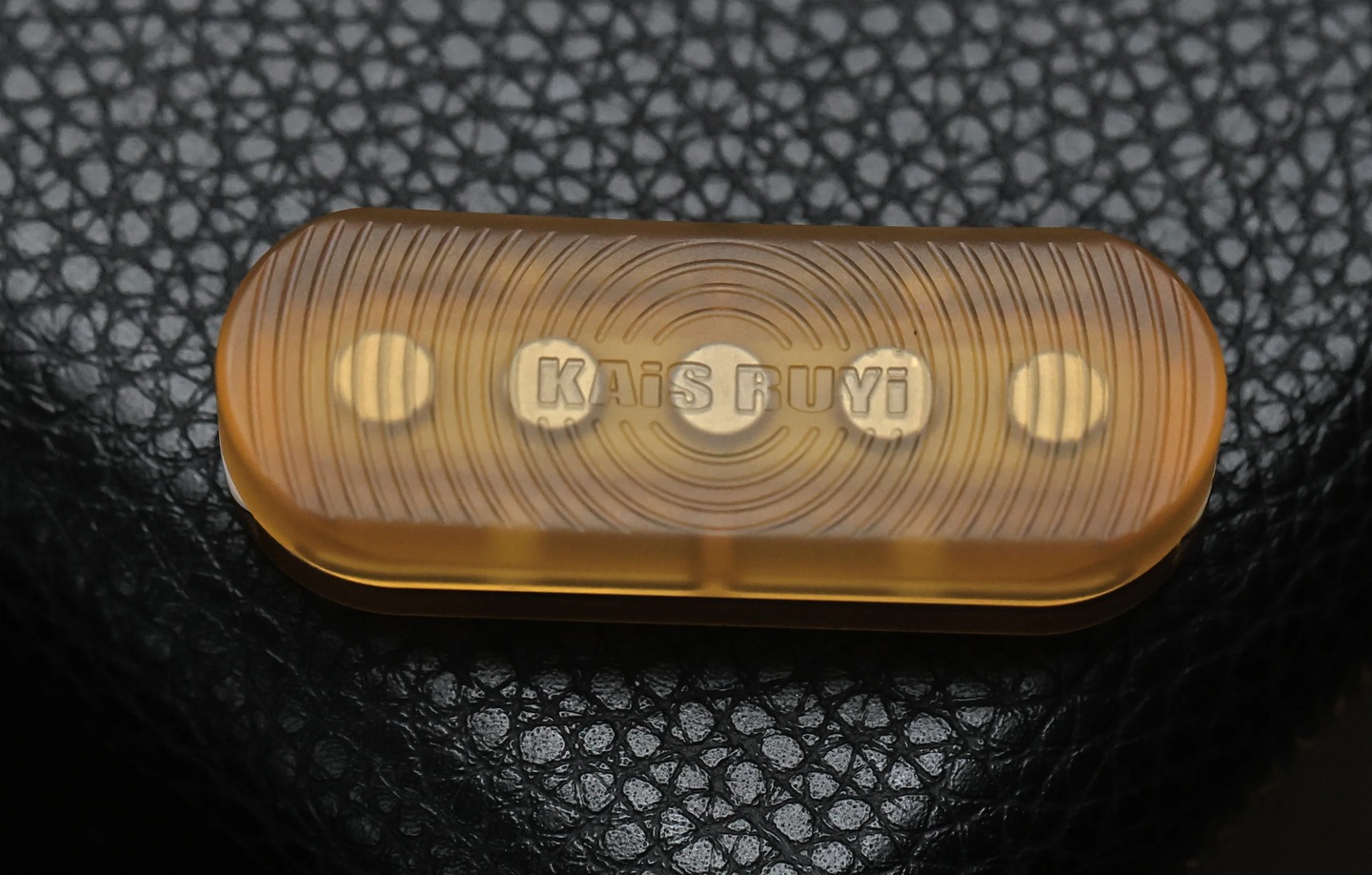
Five pale circles are visible through the warm amber shell in the studio photo. KAiS counted this launch color separately from black PEI.
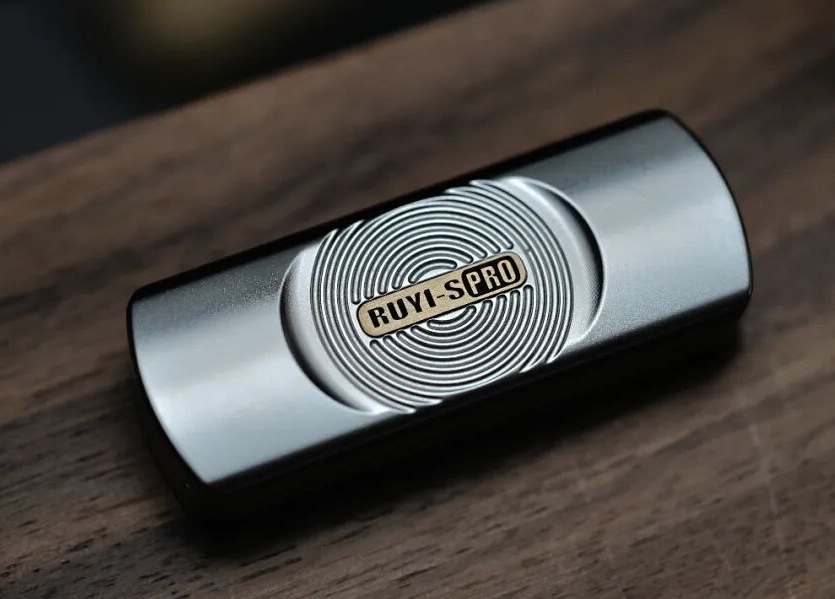
Concentric ripples surround the inlaid brass name. A geometric scale relief covers the reverse. The Beijing show announcement names it as the S successor and specifies a three-track steel-and-brass configuration.
Four studio-shop PTFE inserts and one compatible earlier PEEK module accompany two detail views of the mechanism and shell.
Compare body material and finish against the individual photographs.
Four launch combinations share the high-low dense track.
Two complete options documented in the studio shop.
Polished steel, pearl stonewash, distressed DLC and three zirconium finishes.
The studio photographed each pattern for a single randomly packed release.
The studio’s S successor has a distinct metal shell and three-track architecture.
Beyond the verified configurations in this guide, the following clues and cross-family mentions are tracked separately:
Four studio-shop PTFE inserts and one compatible earlier PEEK module accompany two detail views of the mechanism and shell.
Select an accessory to open its related host record.
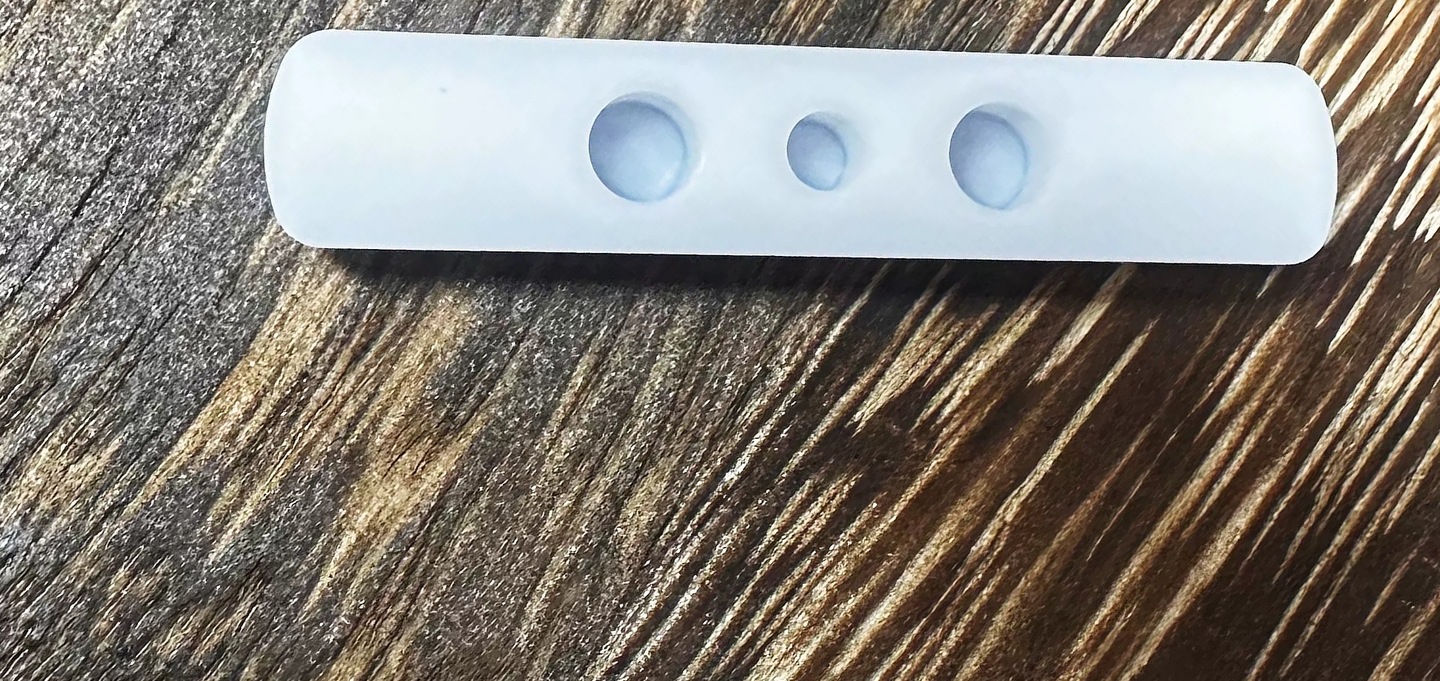 ACCESSORYWhite Single-Ball PTFE InsertThe studio shop’s white insert has the single-ball configuration. Its additional openings remain visible along the bar.View related record ↗
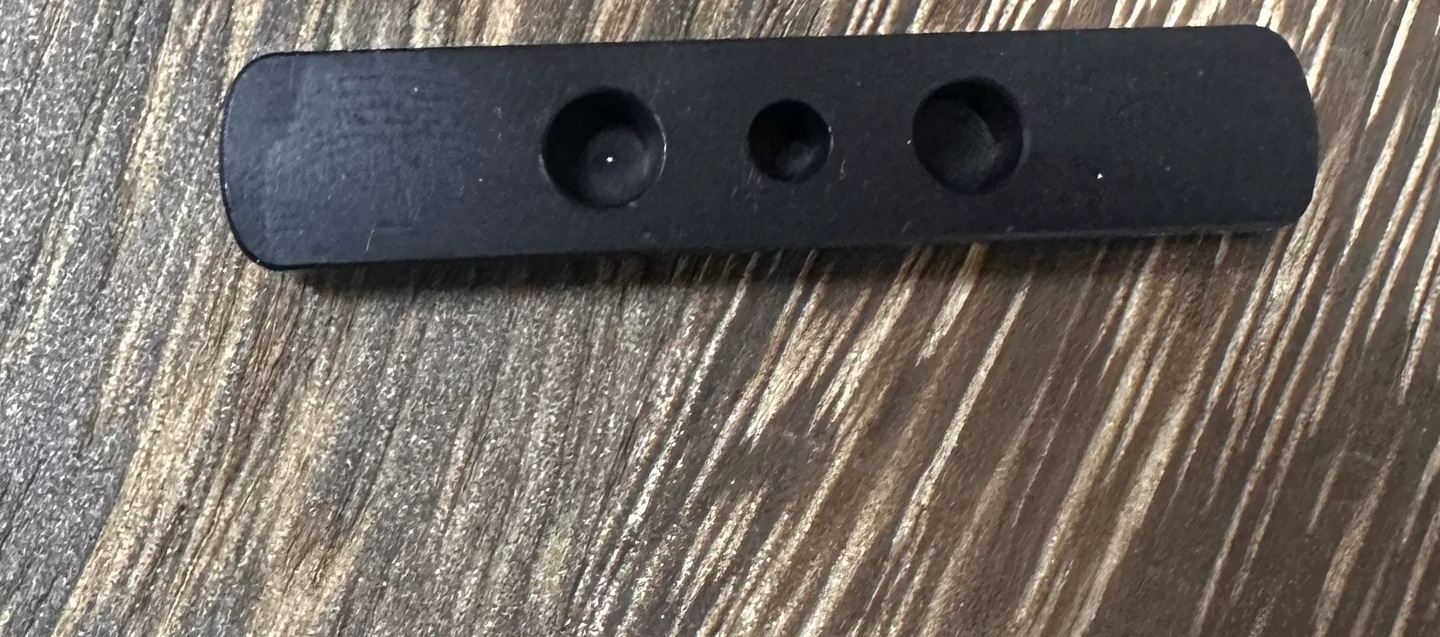 ACCESSORYBlack Single-Ball PTFE InsertThe shop lists the black single-ball insert separately. Its photo identifies RUYI-S and the earlier RUYI mechanical module as applications and excludes the Lucky Candy module.View related record ↗
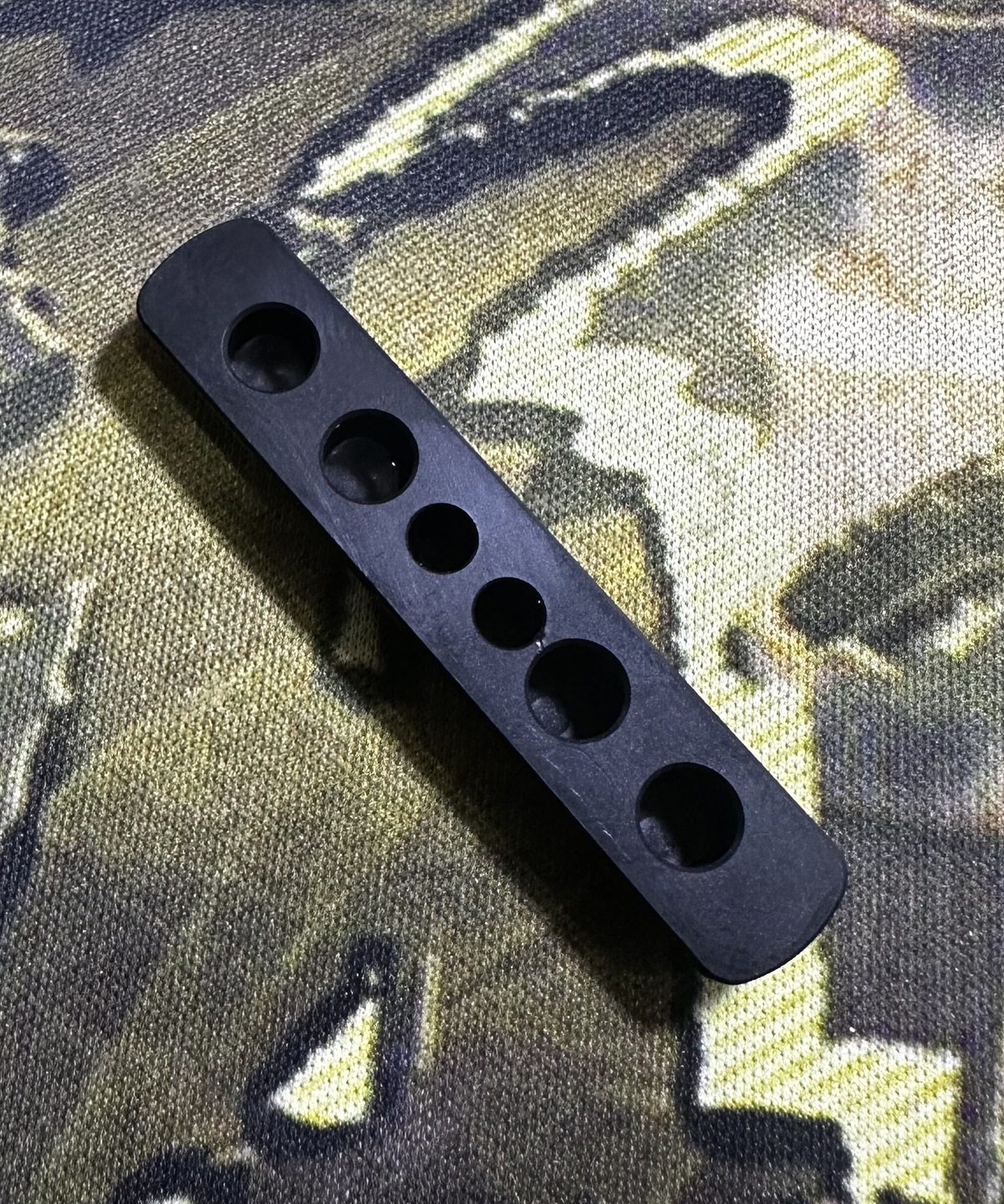 ACCESSORYBlack Double-Ball PTFE InsertThe paired ball positions distinguish the black scale insert. The October studio notice discusses how a double-ball insert feels on dense and ultra-dense tracks.View related record ↗
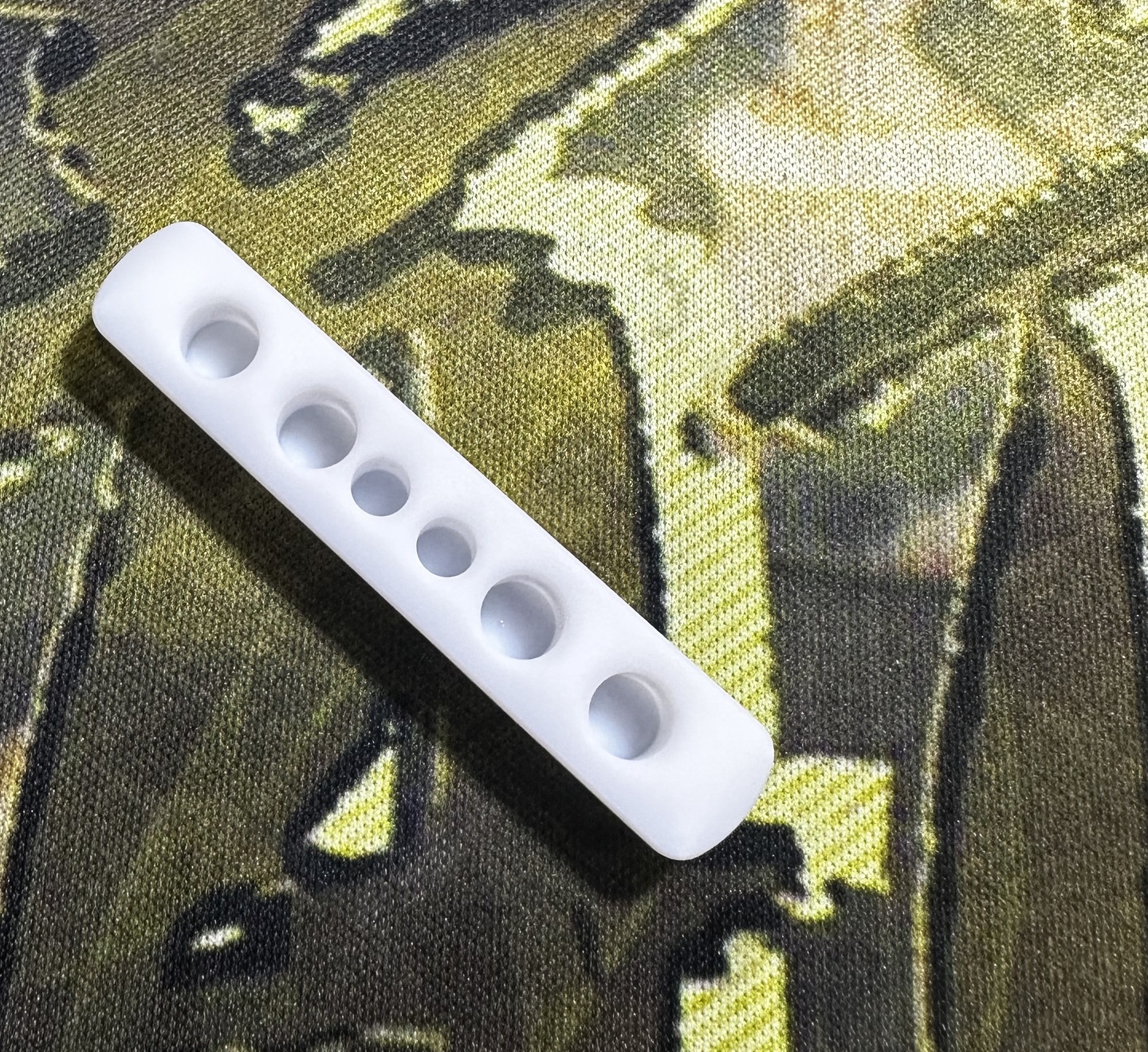 ACCESSORYWhite Double-Ball PTFE InsertThe shop offers a white double-ball insert separately. The 2026 Mokume run supplied a single-ball insert plus a spare double-ball one, without specifying the bundled colors.View related record ↗
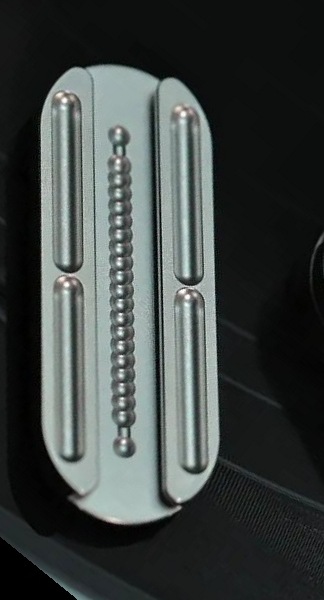 ANATOMYExposed Central Rail and DetentsA studio photograph shows the repeating detents along the center of the exposed metal piece and a long guide on either side. This is a view of the host mechanism.View related record ↗
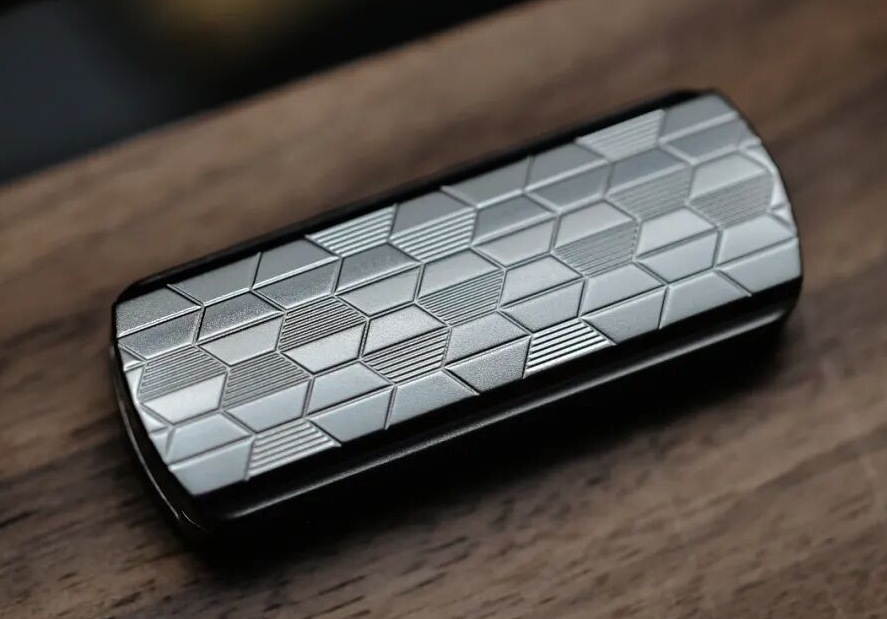 ANATOMYRUYI-S Pro Reverse ReliefAn uninterrupted geometric scale pattern occupies the reverse. On the other face the rippled thumb seat surrounds an inlaid brass name. Both faces belong to the same Pro model.View related record ↗
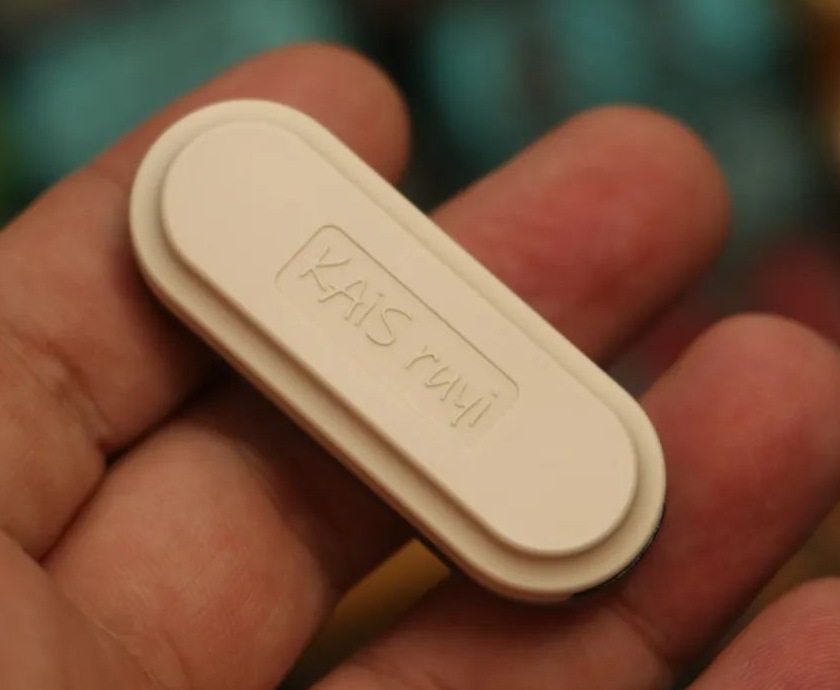 ACCESSORYEarlier PEEK One-Sided Mechanical ModuleThis PEEK component appears in the earlier RUYI Candy mechanical-module notice. The S launch separately confirms compatibility with the earlier RUYI mechanical module. The old notice also lists PEI one-sided sets and a stainless center layer.View related record ↗
[Compare with: Black PEI, Dense Track] PEI / Translucent amber. How to recognize: Five pale circles are visible through the warm amber shell in the studio photo. KAiS counted this launch color separately from black PEI. (Source note: Amber PEI, Dense Track).
KAiS issue notice and pictured specimen · Single-edition photograph
Official source · KAiS issue notice and pictured specimen[Compare with: Beige PEEK, Dense Track] PEI / Black. How to recognize: The shallow black thumb well carries a small PEI mark. The material mark and the named variant distinguish this release from the other black polymer launched alongside it. (Source note: Black PEI, Dense Track).
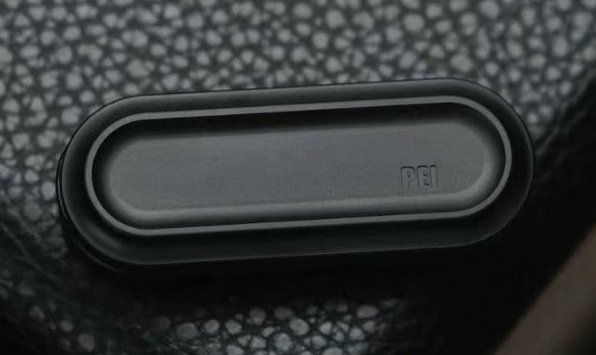
KAiS issue notice and pictured specimen · Single-edition photograph
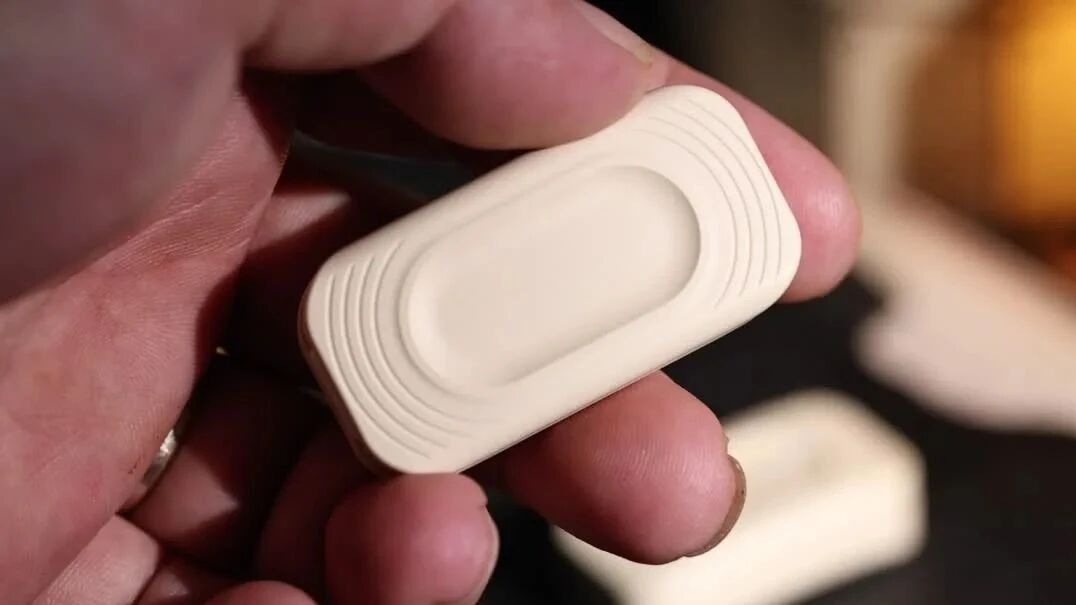
Official source · KAiS issue notice and pictured specimen[Compare with: Black PEEK, Dense Track] PEEK / Beige. How to recognize: The beige shell carries concentric grip grooves across its reverse. KAiS noted that the shade could vary slightly between material batches. (Source note: Beige PEEK, Dense Track).
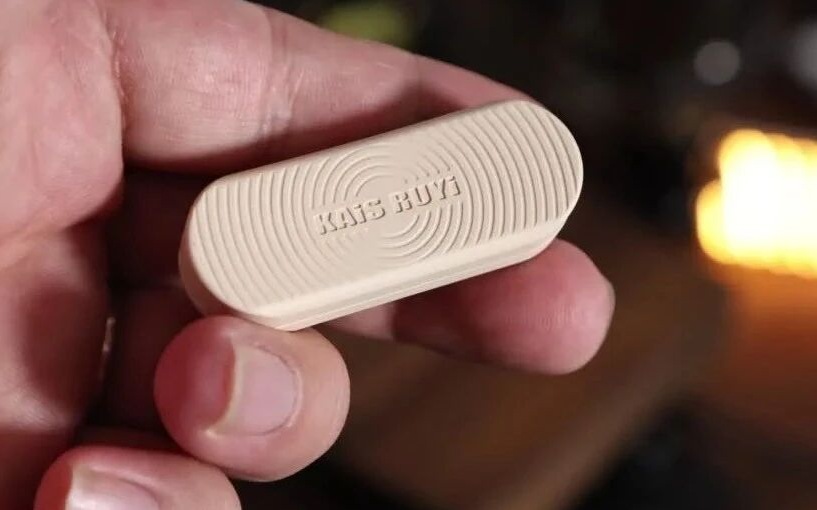
KAiS issue notice and pictured specimen · Single-edition photograph
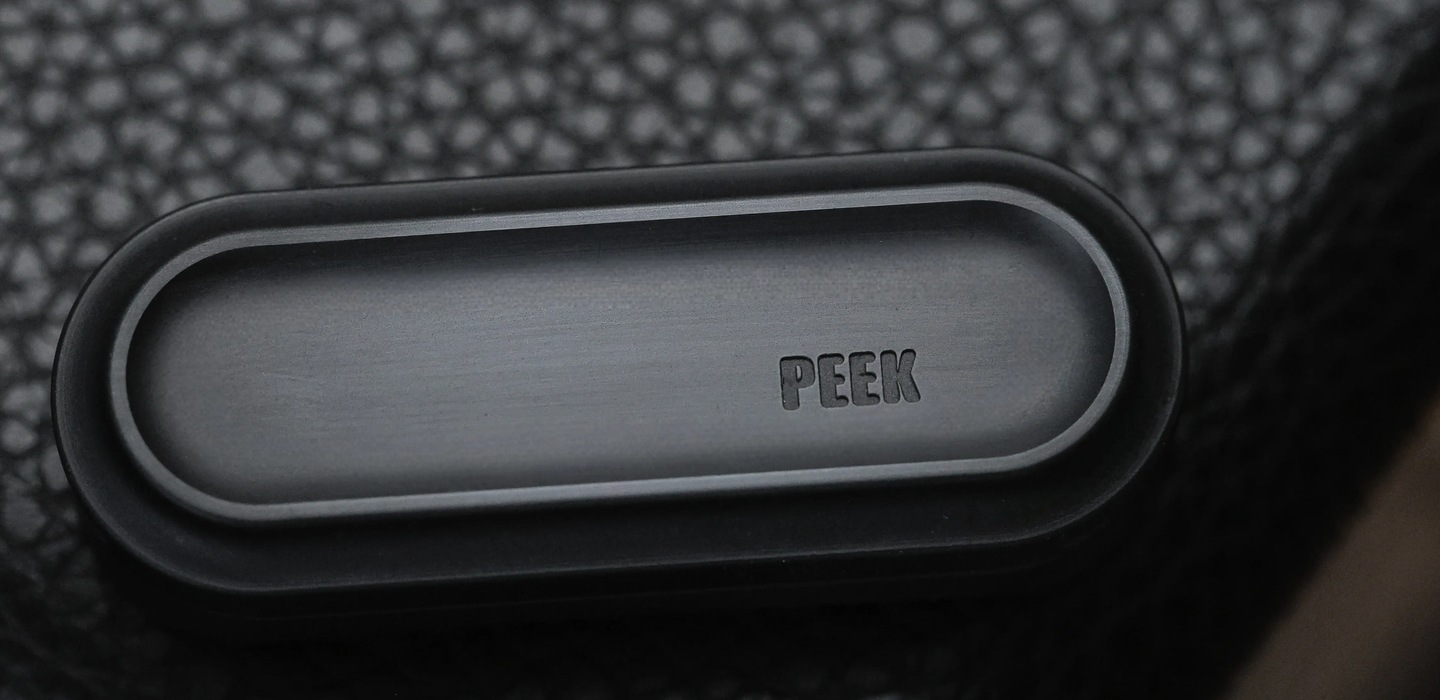
Official source · KAiS issue notice and pictured specimen[Compare with: Amber PEI, Ultra-Dense Track] PEEK / Black. How to recognize: The lettering in the front well reads PEEK. A raised rim defines the thumb seat. The studio listed 50 black PEEK examples and a separate 50 in black PEI. (Source note: Black PEEK, Dense Track).
KAiS issue notice and pictured specimen · Single-edition photograph
Official source · KAiS issue notice and pictured specimen[Compare with: Polished 304 Stainless Steel] PEI / Translucent amber. How to recognize: The maker’s shop lists separate dense and ultra-dense amber PEI sliders. The translucent face identifies the material. The individual option establishes the hidden track configuration. (Source note: Amber PEI, Ultra-Dense Track).
KAiS studio-shop option and its photograph · Single-edition photograph
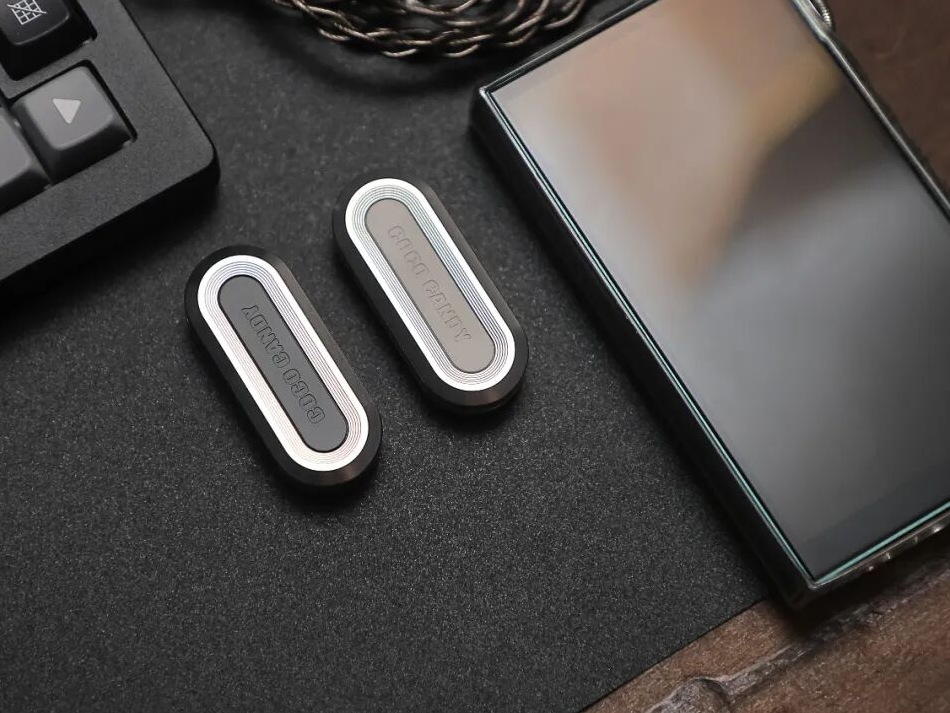
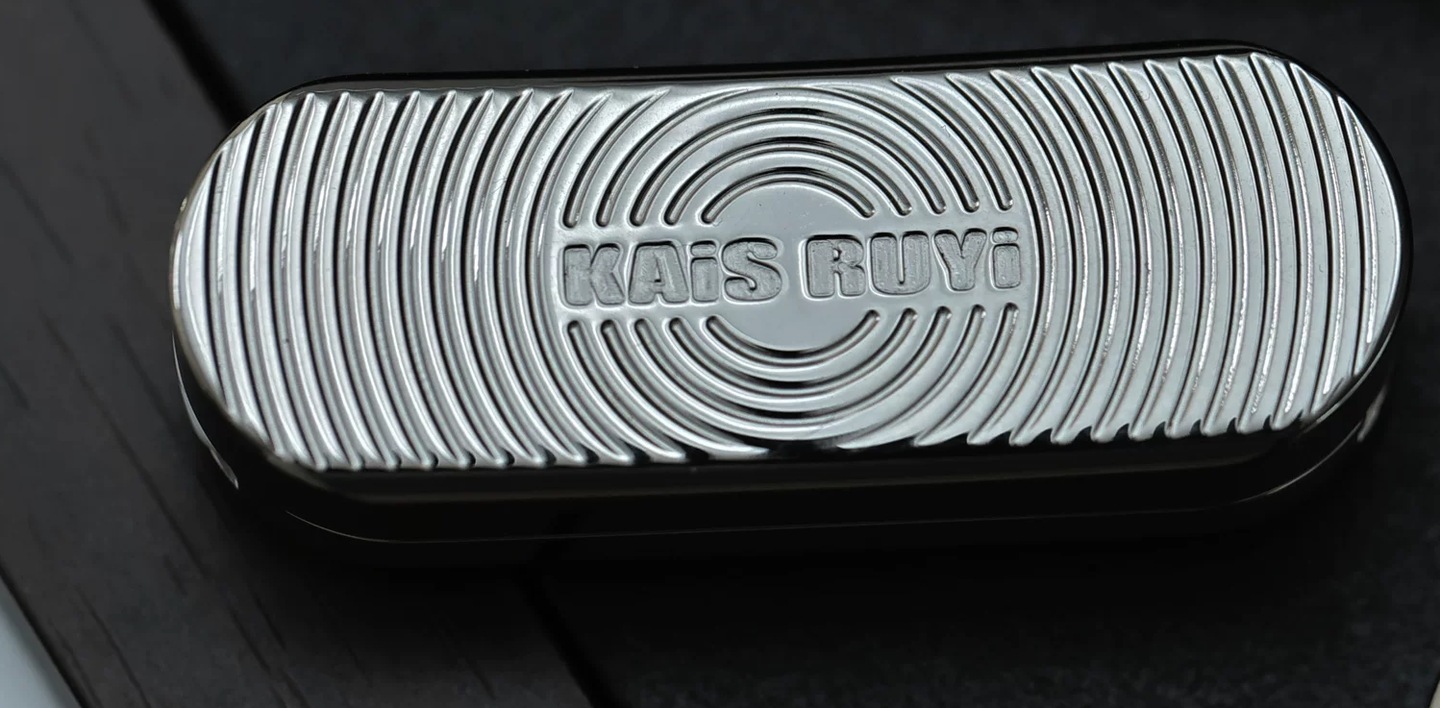
Official source · KAiS studio-shop option and its photograph[Compare with: PEEK and Stainless Steel] 304 stainless steel / Polished. How to recognize: The grooved reverse meets a bright polished rim. This model introduced the ultra-dense track with terminal feedback. KAiS later reported roughly 500 polished steel examples sold by its October update. (Source note: Polished 304 Stainless Steel).
KAiS issue notice and pictured specimen · Single-edition photograph
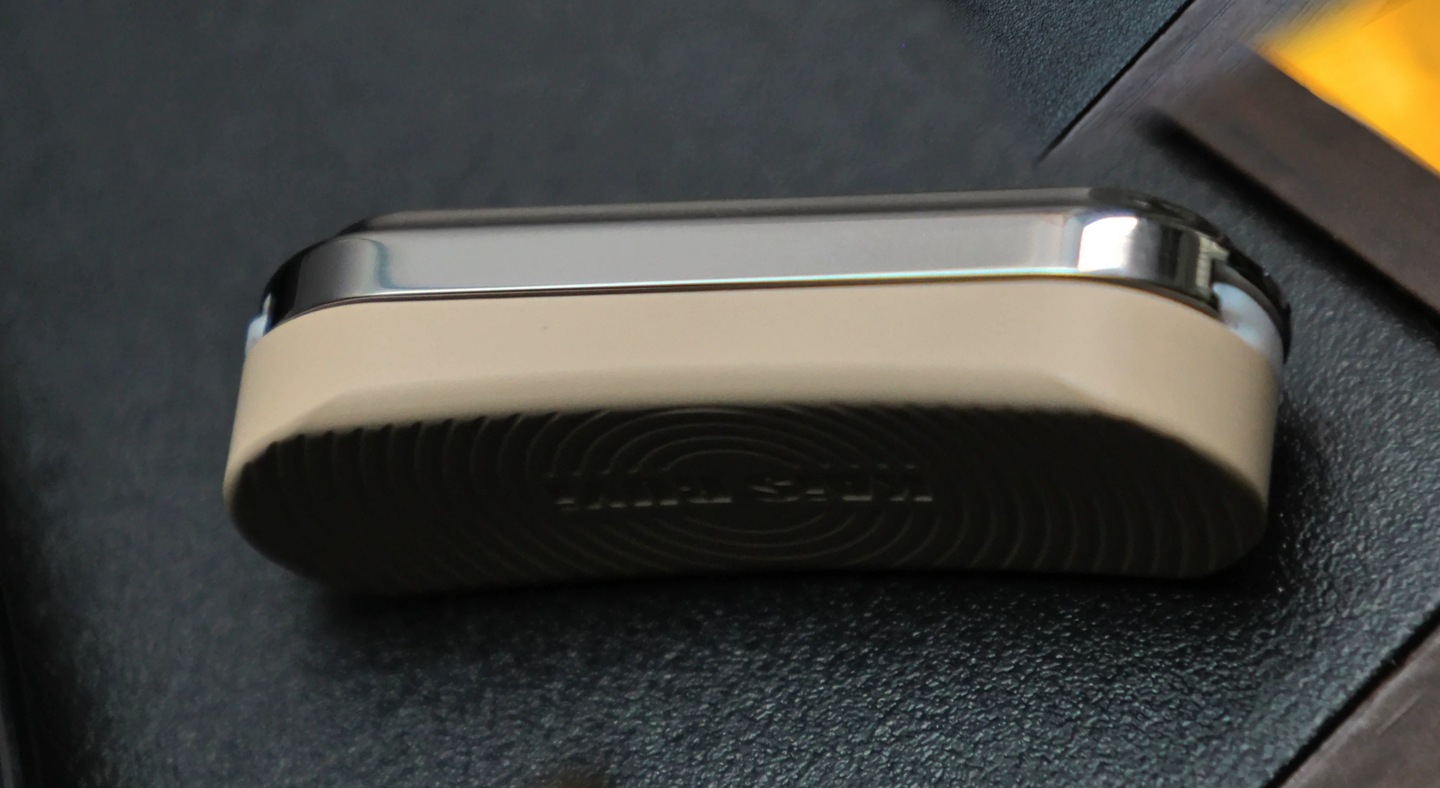
Official source · KAiS issue notice and pictured specimen[Compare with: Pearl-Stonewashed Stainless Steel] PEEK and stainless steel / Beige and silver-tone layers. How to recognize: The side view separates the beige polymer layer from the bright metal layer. KAiS’s Taobao listing identifies the complete mixed-material build as ultra-dense. Individual layer weights are unpublished. (Source note: PEEK and Stainless Steel).
KAiS studio-shop option and its photograph · Single-edition photograph
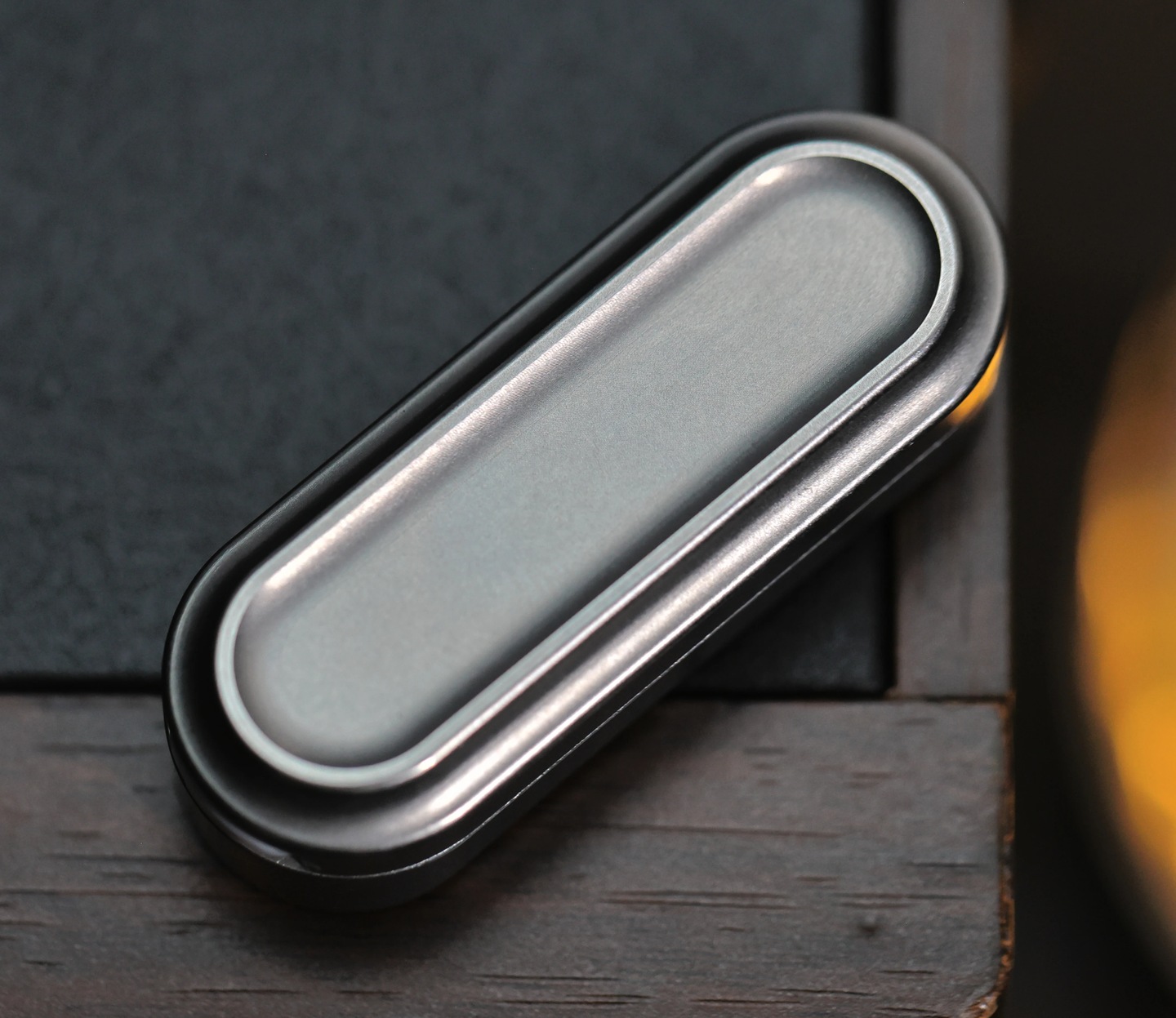
Official source · KAiS studio-shop option and its photograph[Compare with: Distressed DLC Stainless Steel] Stainless steel / Pearl stonewashed. How to recognize: The recess reflects a softer grey light than the polished model. The studio describes blasting followed by a pearl stonewash, with the ultra-dense track retained. (Source note: Pearl-Stonewashed Stainless Steel).
KAiS issue notice and pictured specimen · Single-edition photograph
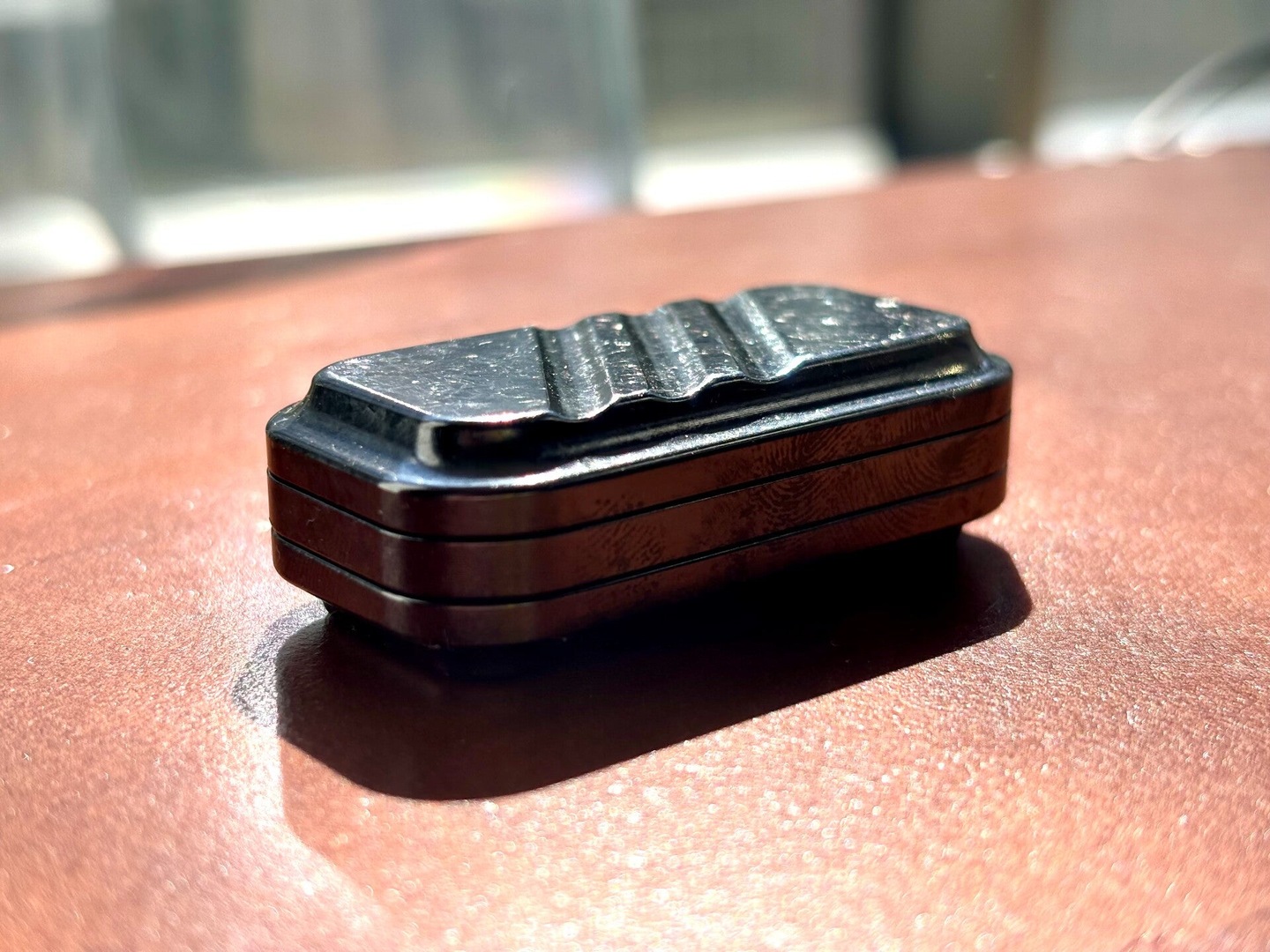
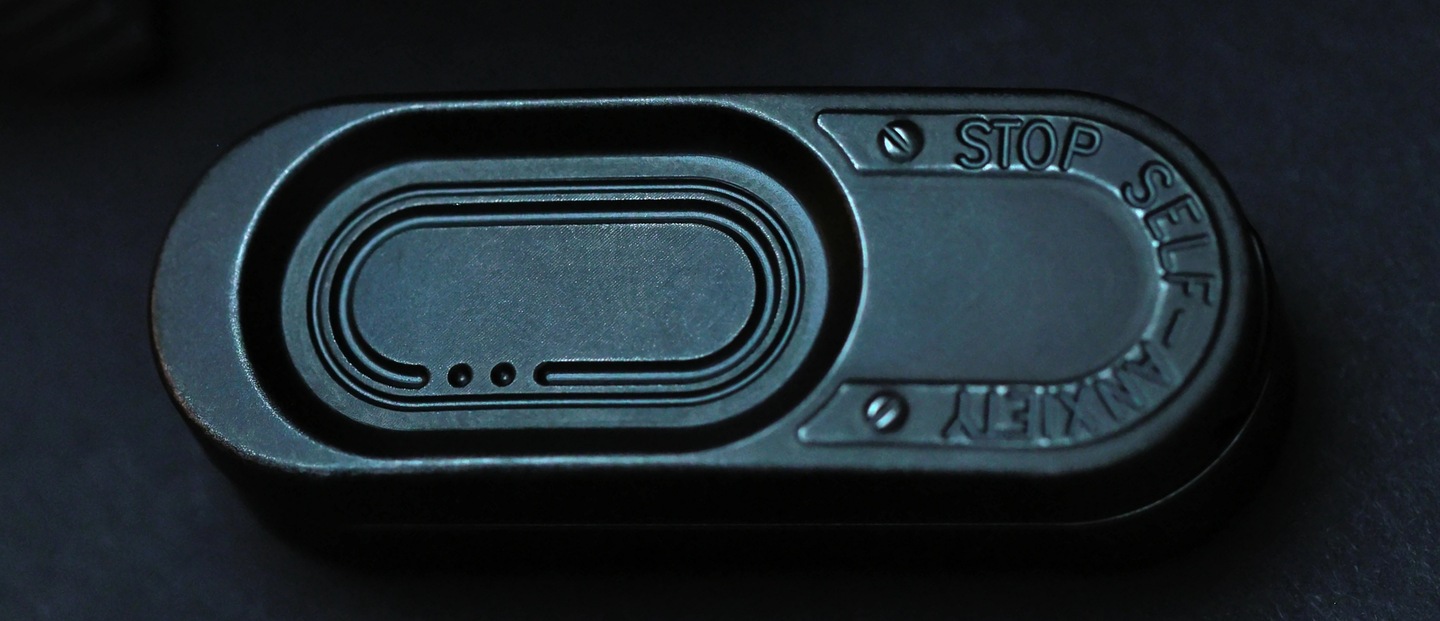
Official source · KAiS issue notice and pictured specimen[Compare with: Polished Black Zirconium] Stainless steel / Distressed DLC stonewash. How to recognize: The dark border carries engraved lettering. Stonewashing exposes lighter edges through the DLC finish. The dense scale track has fewer detent grooves, spacing its individual notes more clearly. (Source note: Distressed DLC Stainless Steel).
KAiS issue notice and pictured specimen · Single-edition photograph
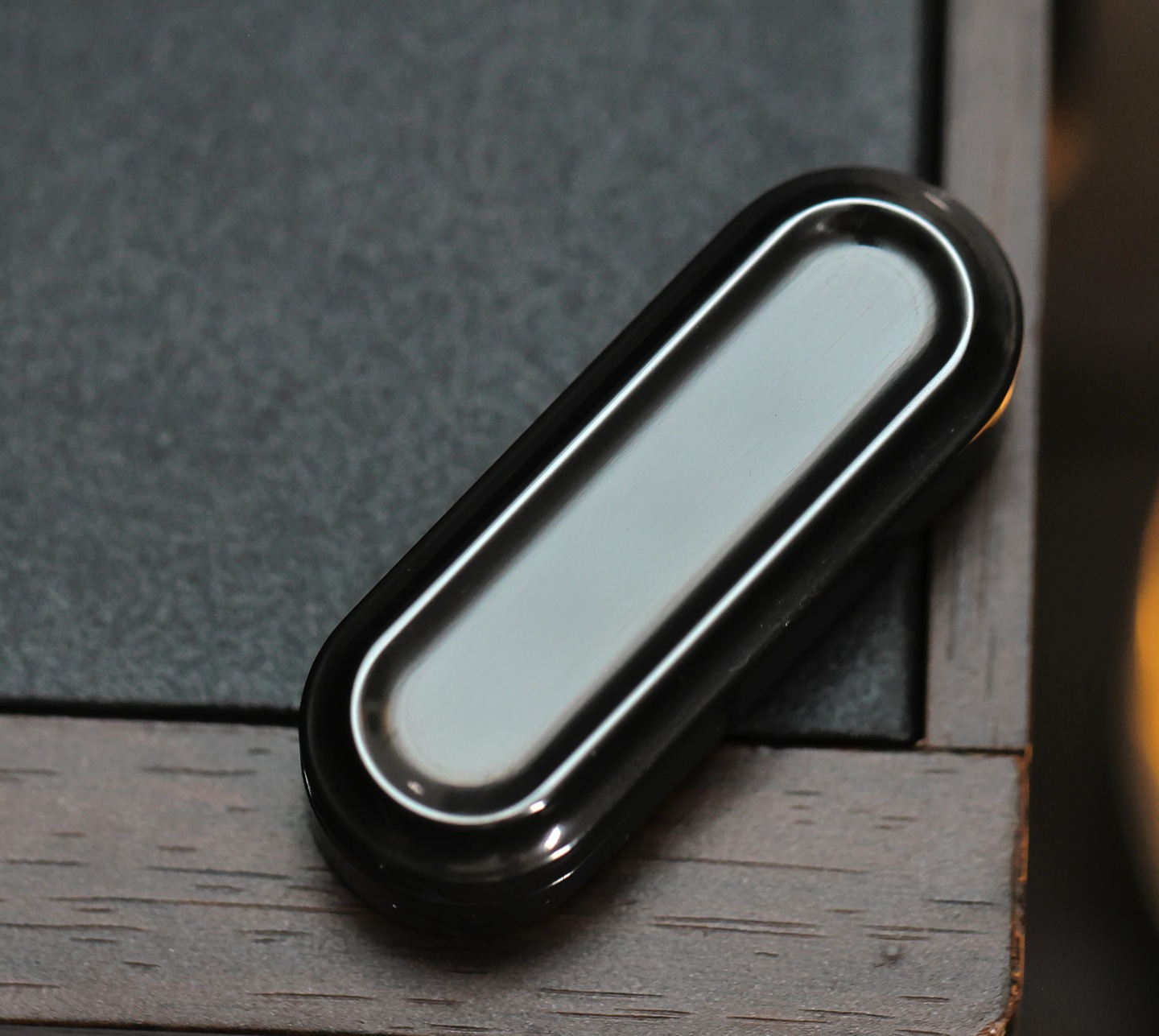
Official source · KAiS issue notice and pictured specimen[Compare with: Polished Heat-Colored Zirconium] Zirconium alloy / Polished, heat-blackened. How to recognize: Dark polished faces show a sharp line of light around the curved rim. The studio announced black and multicolor zirconium separately, with 50 of each in the first batch. (Source note: Polished Black Zirconium).
KAiS issue notice and pictured specimen · Single-edition photograph
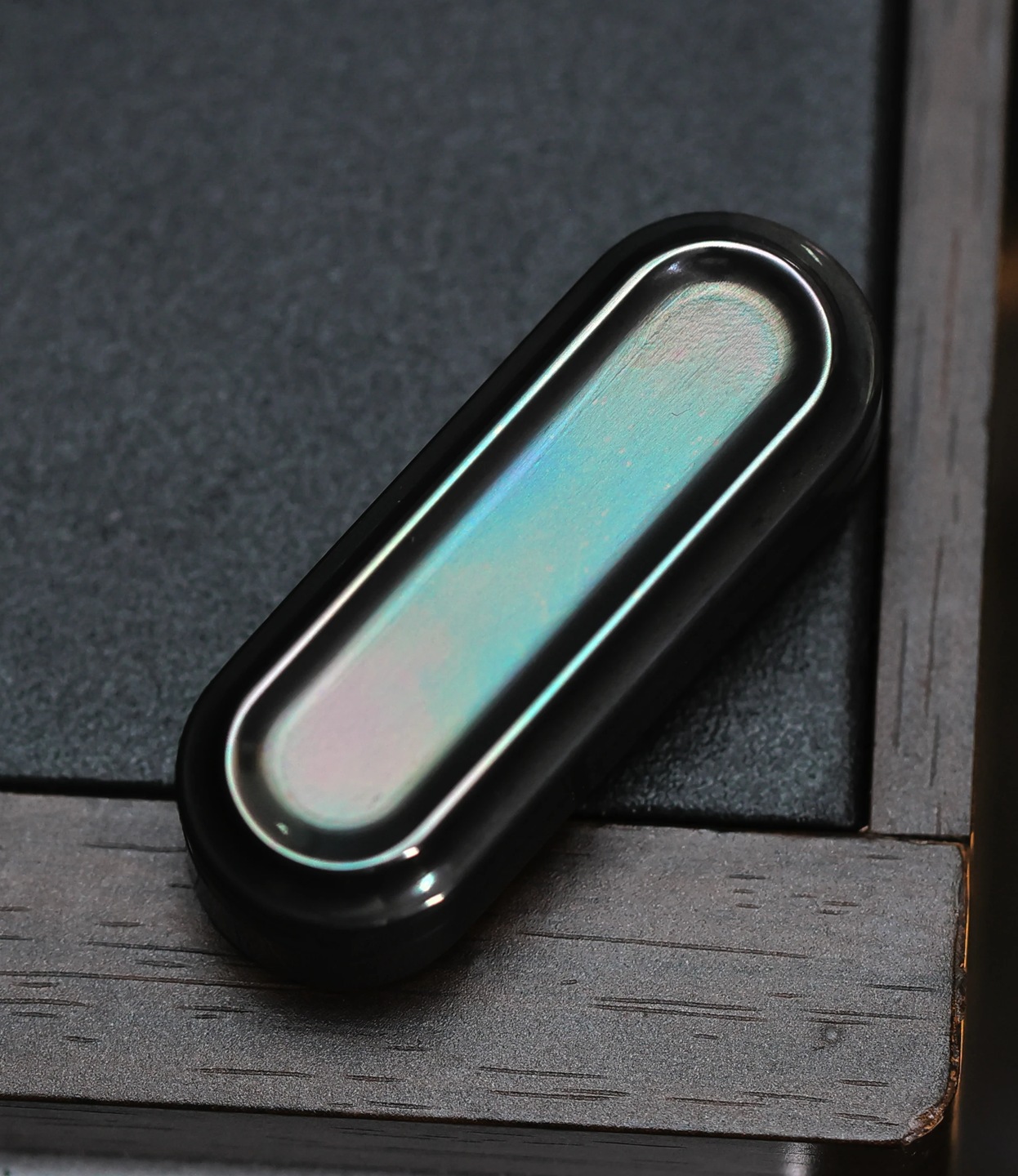
Official source · KAiS issue notice and pictured specimen[Compare with: Stonewashed Zirconium] Zirconium alloy / Polished, heat-colored. How to recognize: The shallow polished well flashes blue-green and warmer tones. KAiS names this heat-colored finish individually and specifies the ultra-dense track. (Source note: Polished Heat-Colored Zirconium).
KAiS issue notice and pictured specimen · Single-edition photograph
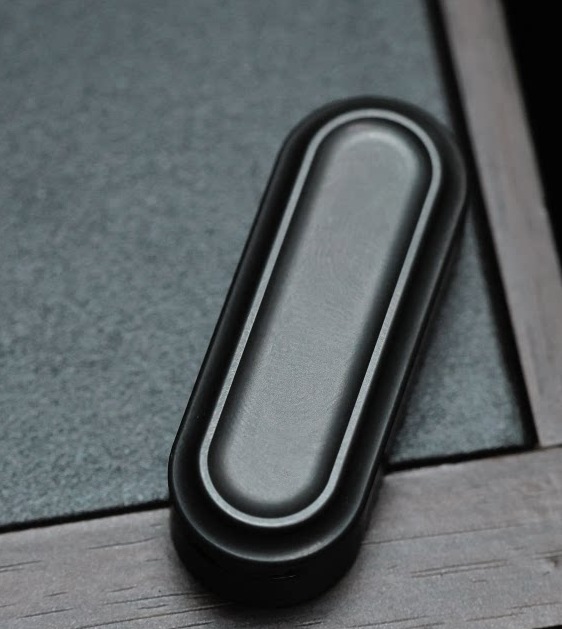
Official source · KAiS issue notice and pictured specimen[Compare with: Coral Polyp Mokume] Zirconium alloy / Stonewashed. How to recognize: The darker grey face has a diffuse stonewashed finish. The October notice reported 100 prepared and explained the missing launch photo. The studio shop later pictured the named ultra-dense option. (Source note: Stonewashed Zirconium).
KAiS studio-shop option and its photograph · Single-edition photograph
Official source · KAiS studio-shop option and its photograph[Compare with: Wave Mokume] Mokume (brass, copper, nickel silver) / Coral polyp pattern. How to recognize: Closely packed triangular and oval cells reveal the contrasting copper alloys. The studio placed its Coral Polyp description and count immediately after the specimen in the release article. (Source note: Coral Polyp Mokume).
KAiS issue notice and pictured specimen · Single-edition photograph
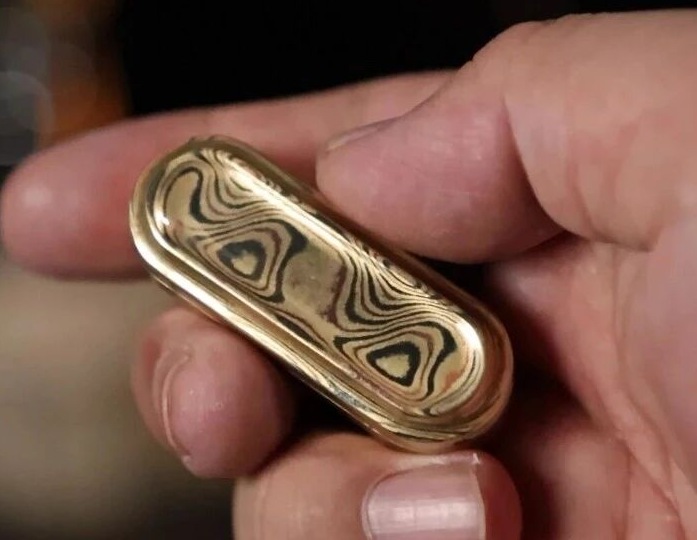
Official source · KAiS issue notice and pictured specimen[Compare with: Mottled Mokume] Mokume (brass, copper, nickel silver) / Wave pattern. How to recognize: Broader bands bend into waves that continue around the curved ends. The studio packed this pattern at random with the other two designs from the same run. (Source note: Wave Mokume).
KAiS issue notice and pictured specimen · Single-edition photograph
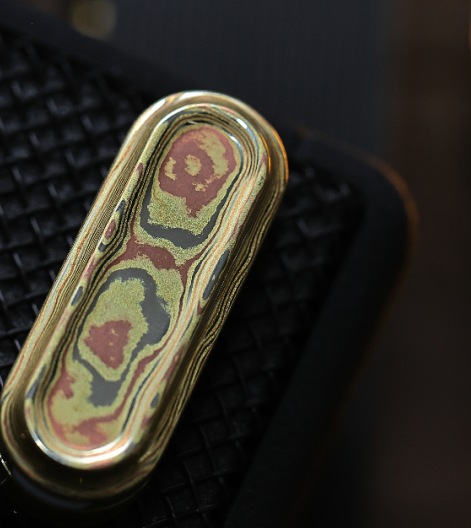
Official source · KAiS issue notice and pictured specimen[Compare with: RUYI-S Pro, Polished Steel and Brass] Mokume (brass, copper, nickel silver) / Mottled pattern. How to recognize: Large irregular color fields occupy the length of the face. KAiS compared their uneven outlines to mottling on an old tree trunk. (Source note: Mottled Mokume).
KAiS issue notice and pictured specimen · Single-edition photograph
Official source · KAiS issue notice and pictured specimen[Compare with: Amber PEI, Dense Track] Stainless steel and brass / Polished and magnetically finished. How to recognize: Concentric ripples surround the inlaid brass name. A geometric scale relief covers the reverse. The Beijing show announcement names it as the S successor and specifies a three-track steel-and-brass configuration. (Source note: RUYI-S Pro, Polished Steel and Brass).
KAiS issue notice and pictured specimen · Single-edition photograph
Official source · KAiS issue notice and pictured specimenThe studio offered a mechanical module for RUYI Candy in 2024. Requests for matching upper and lower materials led to a thicker, screwless standalone RUYI-S in April 2025. Polished steel brought an ultra-dense track that June, followed by the DLC scale track, pearl stonewash and zirconium finishes in October. Three randomly packed Mokume patterns followed in January 2026. The October Beijing show notice introduced S Pro with a new shell and replaceable track.
Five pale circles are visible through the warm amber shell in the studio photo. KAiS counted this launch color separately from black PEI.
Enlarge this crop ↗The grooved reverse meets a bright polished rim. This model introduced the ultra-dense track with terminal feedback. KAiS later reported roughly 500 polished steel examples sold by its October update.
Enlarge this crop ↗The recess reflects a softer grey light than the polished model. The studio describes blasting followed by a pearl stonewash, with the ultra-dense track retained.
Enlarge this crop ↗Closely packed triangular and oval cells reveal the contrasting copper alloys. The studio placed its Coral Polyp description and count immediately after the specimen in the release article.
Enlarge this crop ↗Concentric ripples surround the inlaid brass name. A geometric scale relief covers the reverse. The Beijing show announcement names it as the S successor and specifies a three-track steel-and-brass configuration.
Compare any two verified configurations side by side across standardized fields.
No configurations match. Clear the search to start again.
Share the edition, material, or accessory you are looking for, and include a reference photo or serial number if available.
Dense and ultra-dense describe the spacing of the detents. KAiS paired fewer grooves with double-ball feedback for clearer stepped notes and named the distressed DLC issue its dense scale track.
Original releases from KSEDC studio and individually pictured complete hosts and inserts from the KAiS Taobao shop.
Coral Polyp accounts for 40, Wave for 35 and Mottled for 25, totaling 100. The studio packed them before sale and shipped the patterns at random.
Original releases from KSEDC studio and individually pictured complete hosts and inserts from the KAiS Taobao shop.
The studio publishes RS separately as a model with a magnetic ball. S Pro revises the S shell and track, with an inlaid brass name on the face and a geometric scale pattern on the reverse.
Original releases from KSEDC studio and individually pictured complete hosts and inserts from the KAiS Taobao shop.