



Wait. Take 10% off
Lock 10% off now. Use it on any event item.
Apply code
Stainless steel is a family of steels used in EDC sliders, plates and other parts. The grade, finish and part you're looking at all matter.
A slider can have a worn, stonewashed look outside and bright, polished surfaces inside. To understand a steel edition, start with where the steel is used and how each surface is finished.
Shown in hand for a sense of size and shape. A specific steel grade is not documented for this edition.
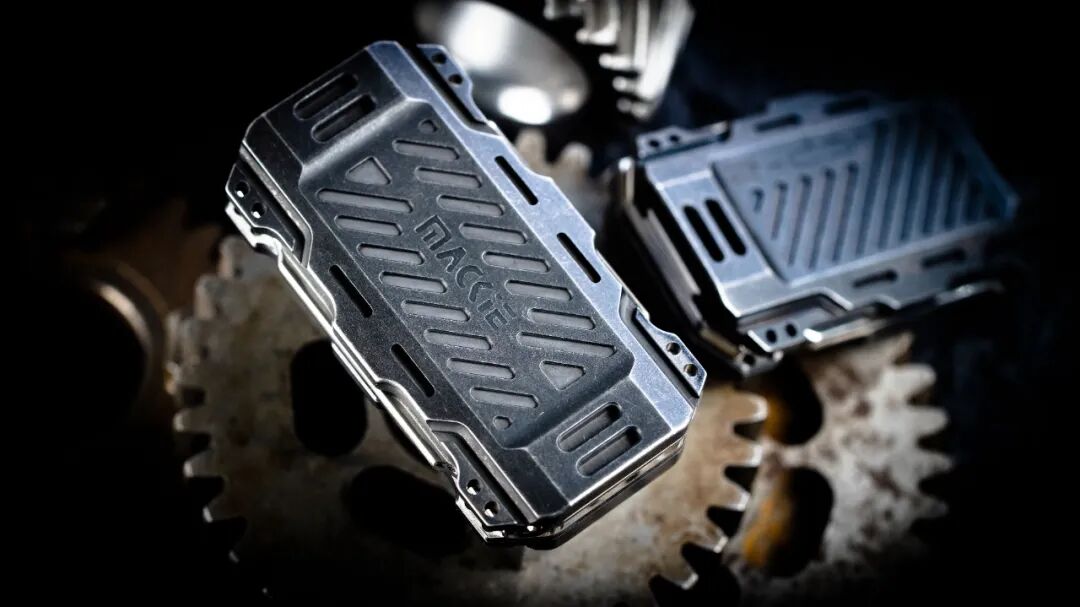
Your fingers touch the outer plates; the inner surfaces meet as you slide them. On the stainless CP2s, the maker stonewashed the outside for its look and feel, then polished the inner layers to improve sliding contact.
Engraved outer plates with a worn, stonewashed finish. The finish describes the surface; the material is stainless steel.
The inner layers use a different finish. Lighting affects how bright they look, so the photo can't identify the grade.
Stainless steel names the material family. Polished and stonewashed describe the surface. Keep both in mind when you compare editions.
The stainless version from the October 2025 update. The zirconium versions are separate editions.
KAIS described feedback about hairline marks and scratches on polished Ruyi S pieces when they weren't carefully maintained. Players with sweaty hands also found the smooth surface slippery. The maker then introduced a stainless Pearl Stonewash version, with sandblasting followed by stonewashing.
That gives you something specific to compare: the surface you prefer and the parts it covers. Choosing a steel edition is only the start.
These handling observations come from KAIS. We haven't tested the two finishes side by side, and the feedback about this model doesn't establish how every polished or stonewashed EDC will feel.
304, 316 and M390 all sit within the stainless steel family, but they aren't interchangeable descriptions of a piece. When you're collecting or buying pre-owned, a grade tied to the right edition tells you more than the word steel alone.
The 2021 MINI-SP update identifies V1 as 304 stainless and the new Pro as 316. It also describes changes to the buttons, slots and magnets.
The stainless Pro is listed at 80 g.
Those changes belong to that Pro release. You can't credit the reported difference in feel to the grade change alone, or use this edition's weight as a guide to every steel slider.
Clown Orange's 2022 GOLD SODA announcement identifies a gold-plated M390 edition, using the nickname Shen Gang for the steel. M390 is the grade; gold plating is the surface treatment.
Bohler describes M390 as a corrosion-resistant chromium steel made through powder metallurgy. That explains the grade. The finished piece's heat treatment, machining and feel still need product-specific evidence.
Shen Gang refers to M390 in this product announcement. Check the context before treating the same nickname as M390 on another piece.
Stainless steels are iron-based alloys containing chromium, with corrosion resistance linked to a protective surface layer. Grade, surface condition and environment all affect how they perform. Stainless doesn't mean rust-proof, and the name alone won't tell you a finished piece's hardness, feel or durability.
This accessory batch fits BK1, BK1A and BK1B. The plate's material doesn't identify the material of the complete piece.
Moyeworks' BK1 accessory update lists 304 stainless plates with a stonewashed, sandblasted finish. This batch fits BK1, BK1A and BK1B.
Keep the word plate attached to that description. The body, plates, buttons and internal parts can use different materials, so one accessory can't tell you what the whole piece is made from.
The maker specifically warned that these 304 plates could rust and called for careful maintenance. Even with stainless steel, the care instructions for the finished part matter.
General cleaning guidance follows BSSA. The maker's instructions and the piece's construction determine where it applies.
Zoom in on the contact surfaces and internal layout. Don't assume the inserts use the same material as the body.
Zoom in on the engraving, reflections, contact surfaces and the way the parts fit together. Seeing the outside and inside of the CP2s side by side makes the role of each finish easier to follow.
A bright silver surface won't identify a steel grade. Small inserts may use a different material from the body, too. Each caption applies to the piece and part shown, rather than every edition in its family.
Common listing shorthand: SS, short for stainless steel.
Families with stainless editions
These families include stainless steel editions. Check each edition for its materials and surface finish.
Explore by edition
Follow an edition to its family guide for more on versions and configurations.
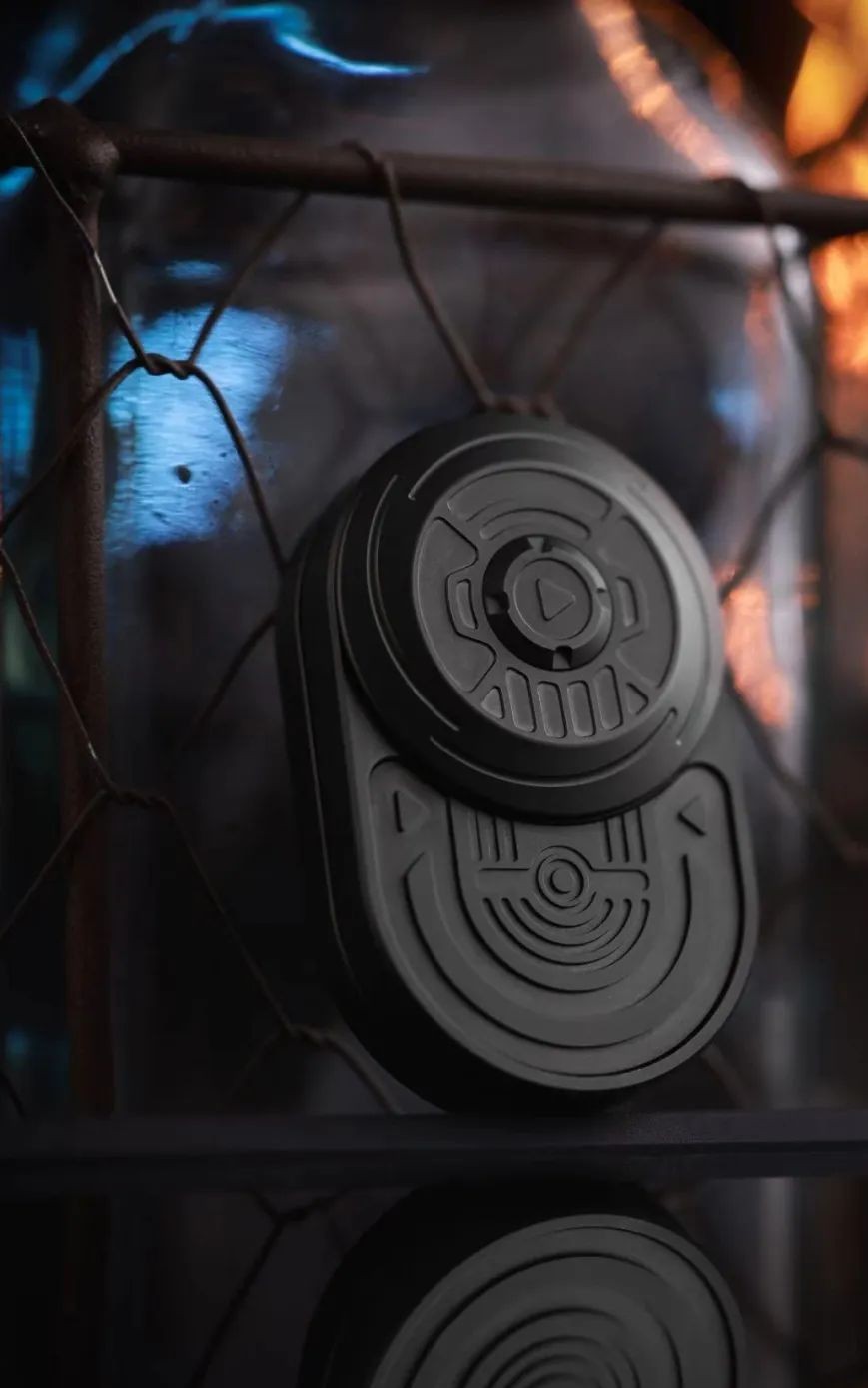 MIX / Stainless with a natural finishStainless steel editionMOTView guide
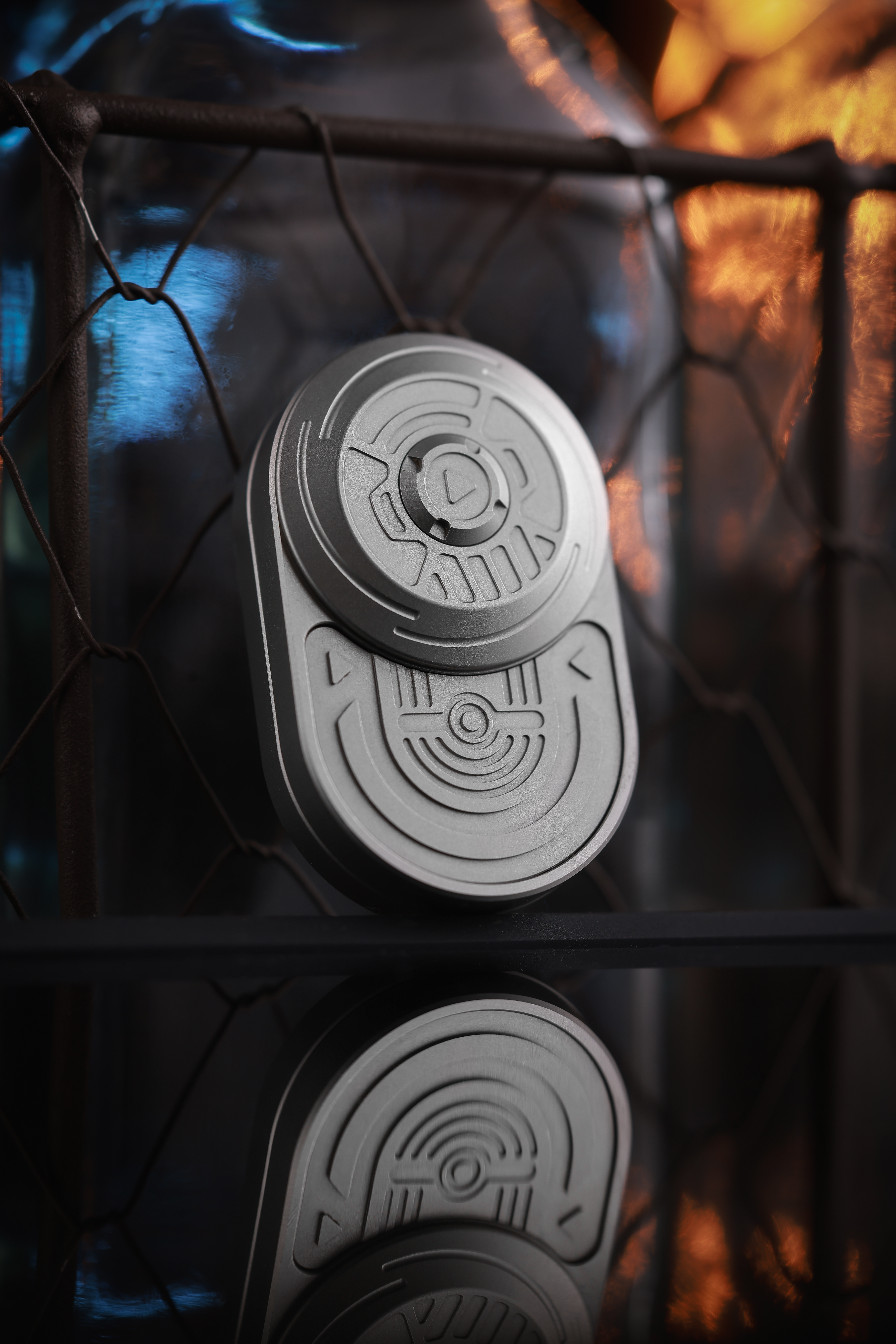 MIX / Sandblasted stainlessStainless steel editionMOTView guide
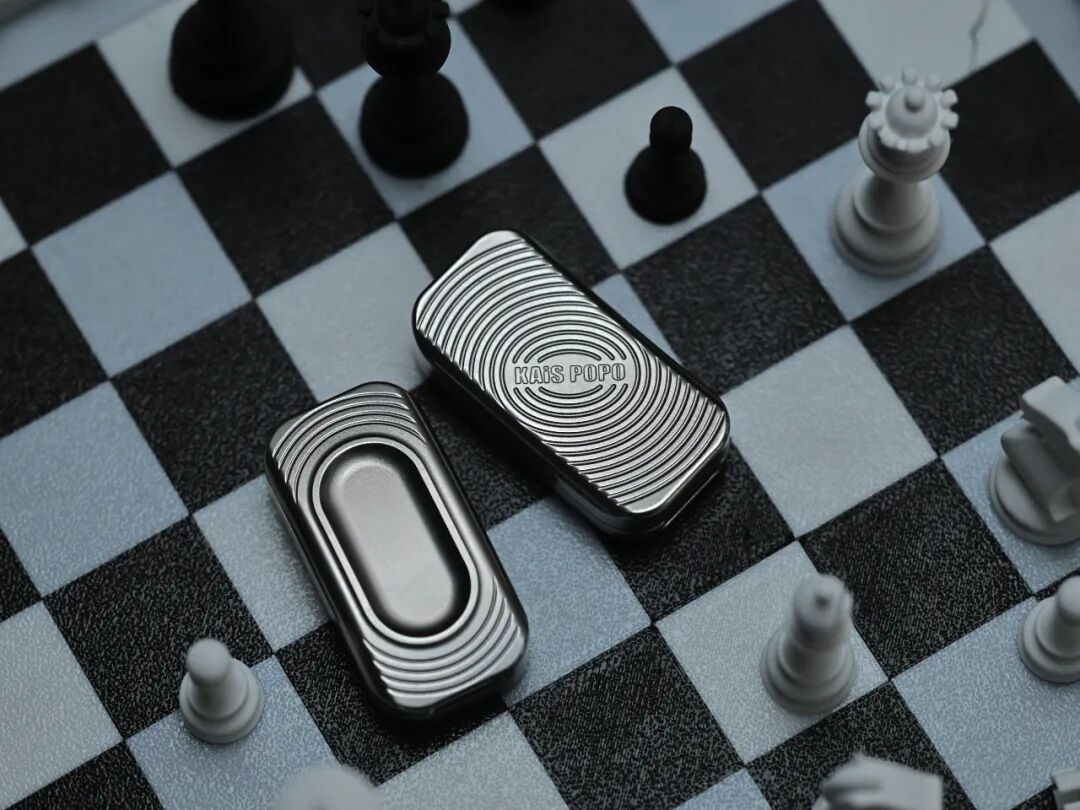 POPO / Stainless, magnetically polished finishFinish shown; check the track configuration separately.KAISView guide
 Lucky Candy / Year of the Snake, stainlessYear of the Snake edition. Auction photo.KAISView guide
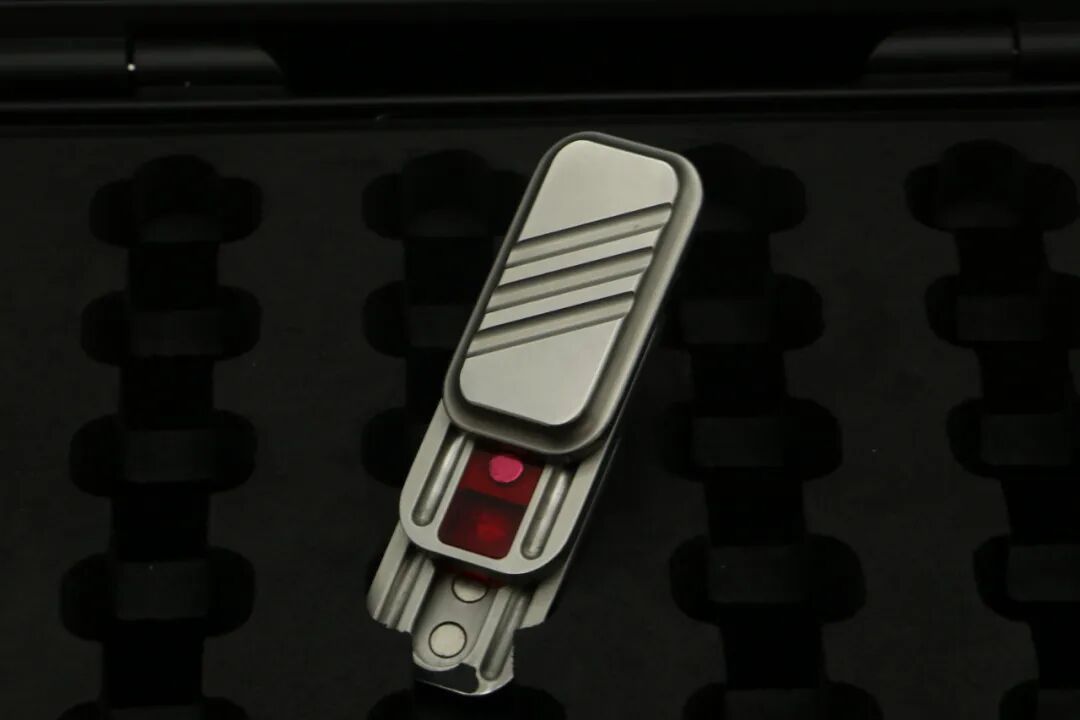 Lucky Candy 2.0 / Stainless, sandblasted or polishedSandblasted shown; polished is a separate option.KAISView guide
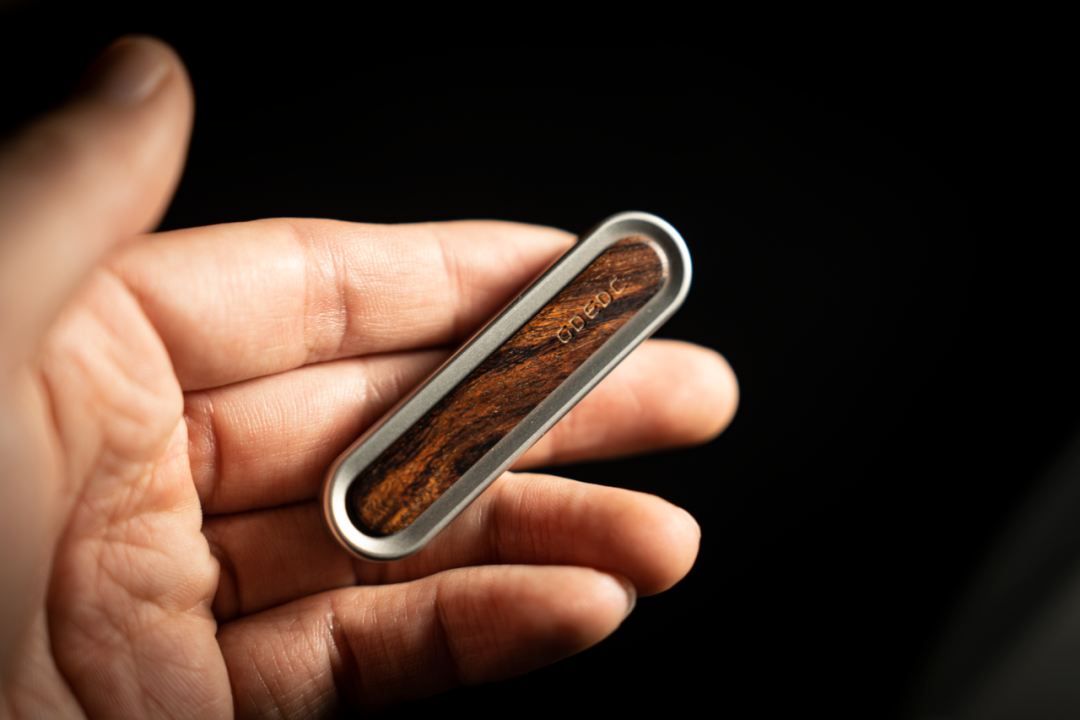 Spice Pin / Regular stainlessStainless body with a wood faceplate.GD EDCView guide
Keep exploring
BSSA: Selecting stainless steels · Material families, corrosion resistance and the conditions in which they are used.
BÖHLER: M390 MICROCLEAN · Grade background. The finished piece still needs product-specific evidence.
BSSA: Cleaning stainless steel · General guidance; the maker’s instructions and assembled parts determine where it applies.