

Knives & ToolsStart with the blade and handle. Understand types, opening, locks and related tools.
A knife is more than a steel name. The blade does the cutting; the handle supports the grip and construction. A folding knife adds a pivot and an open position. Utility knives, folding knives and fixed blades each have different defining features. Start there, then read the opening features, lock, materials and version.
Image unavailable.
Utility, folding and fixed-blade knives
First identify the blade system, then how the blade relates to the handle. A folding structure does not always determine the primary category.
Three starting points
A utility knife is identified here by its standard replaceable-blade system. A folding knife's dedicated blade pivots into its handle; a fixed blade stays in a fixed relationship to its handle. WANWU Scops still belongs under utility knives despite its folding structure. Each object has one primary place, while features such as folding and locking remain visible.
Which feature defines the knife?
The blade is highlighted. This utility-knife category focuses on a documented standard consumable system; check each model's blade specification.
Highlight the pivot: a dedicated blade folds relative to the handle.
Highlight the fixed relationship: the blade does not fold relative to the handle.
Three general concepts. The outlines are not particular models or the shape of an OLFA CKB-2 blade. A folding standard-blade utility knife remains a utility knife.
Standard blades: look for the actual specification
The original Scops announcement specifies OLFA CKB-2 blades. TACVLT's Terminator 2 stonewashed edition specifies NT BVS-11P double-ended blades. These are two particular specifications, not a promise that all utility blades interchange. A replaceable proprietary head, replaceable handle scales and a standard consumable blade are also different features.
Folding or fixed: the blade-to-handle relationship
CASE is explicitly described as a manually opened miniature folding knife. The original Genex Tiehua was introduced as a fixed-blade knife with carbon-fibre handle scales. A small fixed blade has no universal size threshold in this guide. A sheath, scales or screws are separate features; they do not make its blade a folding one.
Opening, retention and locking
Separate three questions: what starts the opening movement, what helps retain a position, and whether the blade mechanically locks open.
Recognize the opening features
Image unavailable.
A thumb stud is a projecting opening feature; an opening hole provides a different contact point; a flipper is an opening tab. The Bk4 folding edition lists several opening features, including a flipper, a thumb stud and an opening hole. CASE, by contrast, is described as manually opened without a quick-opening feature. Multiple opening options belong to one object; they do not establish multiple categories or automatic power.
Closed retention is different from an open lock
Closed retention helps keep a blade folded away; an open lock mechanically blocks it from folding back. A detent ball can help retain the closed position, but a mention of a detent is not evidence of an open lock. CASE and Bk4 provide documented non-locking and locking examples. A confirmed lock with an unspecified type remains a lock; an unspecified locking state remains unknown.
Ask three separate questions
A stud, hole or tab provides an opening contact point; it does not establish automatic power.
Helps retain the folded position; no product-specific detent location is shown.
A mechanical block in the open position is a separate feature to establish.
Three separate questions. These are conceptual relationships, not a particular product's internal layout or a sequence of actions.
Liner and frame locks: different locking parts
Image unavailable.
A liner lock uses a spring section inside the handle to engage the open blade's tang. A frame lock uses a section of the handle frame for that role. These names describe the lock. The Bk4 folding edition specifies a liner lock, while MISTY WORM specifies a frame lock on a folding pry tool: a lock feature does not determine the whole object's identity.
Read materials and parts separately
A material specification should first tell you which part it describes.
Three material positions on CASE
The original CASE announcement specifies an M390 blade, titanium or brass handle versions, and a titanium ring attachment. These are three component positions, not three materials for the entire knife. The original Genex Tiehua likewise uses carbon fibre for its handle scales, rather than for its blade.
Three material positions on one object
Original CASE edition: M390 blade.
Original CASE edition: titanium and brass are alternative handle versions.
Original CASE edition: the ring attachment is separately specified as titanium.
A generic outline accompanies CASE's material specifications; its shape and positions do not depict the actual CASE. Read other parts from each model's specification.
Separate Bk4's folding and Forks editions
Image unavailable.
Bk4's folding-edition announcement explicitly identifies that version and says it has no tuning-fork sound feature. The later Bk4 Forks retains wrench and bottle-opening functions and adds tuning-fork play. Both list bearings and a liner lock, yet they remain different product types. The Forks announcement also states that a clip is not included: mounting provision and included accessories are separate facts.
Keep the model and version with the specification
Specifications are comparable when blade type, component materials, opening features, lock state and included parts refer to the same version. The original Scops text specifies an OLFA blade, while its embedded listing title also says unsharpened. The supplied edge condition needs clarification for that version; the conflict does not erase its documented utility-knife identity.
Folding and locking features also occur on tools
Identify neighboring tools by their documented purpose, rather than by outline or steel name alone.
A folding pry tool is still a pry tool
A pry tool is identified by its prying function. A fixed pry tool keeps its main working end fixed relative to the handle; a folding one pivots that end into a stowed position. MISTY explicitly introduces WORM as a folding pry tool and separately lists a frame lock, titanium handle and M390. Those features do not replace its documented identity.
A maintenance tool has its own purpose
MonoSkate's bearing-removal tool is intended for bearing replacement. It is a hand tool in its own right, rather than a spinner simply because it services one. The maker distinguishes a 1.0 prototype with bearing storage, a 2.0 prototype without it, and a 3.0 release version. Earlier prototype features do not automatically describe every later version.
Knife types and neighboring tools
Identify the object first, then its knife type. Folding knives can be grouped by documented open-lock state, while materials and features are described separately.
Knife types
Utility knives
A documented standard consumable-blade system; folding and locking are additional features.
Read the explanation →Folding knives
A dedicated blade folds at a pivot; a folding utility knife keeps its primary utility classification.
Read the explanation →Fixed blades
The blade remains fixed relative to its handle; small fixed blades have no universal size threshold here.
Read the explanation →
Open-lock state of a folding knife
Locking folders
The open lock is documented; identify the specific lock separately.
Read the explanation →Non-locking folders
Explicitly non-locking, which does not mean that all retention is absent.
Read the explanation →Lock state unspecified
Unknown is neither another lock type nor evidence of a non-locking design.
Read the explanation →
Neighboring tools
Fixed pry tools
The working end stays fixed relative to the handle; screws alone do not prove folding.
Read the explanation →Folding pry tools
The main working end pivots for storage; a lock does not change the tool's identity.
Read the explanation →Non-knife hand tools
Identified by documented tasks such as bearing maintenance, wrenching or bottle opening.
Read the explanation →
Glossary
No matching terms.
Utility knife
Here, a knife with a documented standard replaceable-blade system; it may also fold.
Folding knife
A knife whose dedicated blade pivots into the handle, distinguished from a standard-blade utility knife.
Fixed blade / small fixed blade
The blade stays fixed relative to the handle; “small” has no universal threshold in this guide.
Blade specification
For example OLFA CKB-2 or NT BVS-11P; general utility-blade interchangeability is not established.
Manual opening and closing
The stated opening and closing method for CASE, which is also described as lacking a quick-opening feature.
Thumb stud
A projecting opening contact point, distinct from a thumb disc or opening hole.
Opening hole
A hole identified as an opening feature; other holes can have different roles.
Flipper tab
An opening tab near the blade's pivot; the name alone does not establish automatic power.
Multiple opening options
Several documented opening features or methods on one object.
Detent / closed retention
Helps retain the folded blade; assess the open lock separately.
Open-position lock
A mechanical block against folding back from the open position, separate from opening.
Liner lock
A spring section within the handle liner locks the blade open.
Frame lock
A section of the handle frame provides the lock; folding tools can also use one.
Non-locking
No mechanical open lock; this does not imply an absence of retention or feedback.
Pivot / bearing
The pivot is the rotation point; Bk4 separately specifies bearings and a lock.
Blade material
The blade's material, such as CASE's M390, separate from the handle.
Handle material / scales
Distinguish the handle material from separately specified scales for the actual version.
Pocket clip / mounting provision
Mounting provision does not mean a clip is included; the cited Bk4 Forks edition explicitly excludes it.
Folding pry tool
A pry tool whose main working end pivots for storage.
Bearing-removal tool
The MonoSkate example is a bearing-maintenance tool, separate from a spinner.
All categories
Category overview →Explore movement, construction and terminology across all six guides.
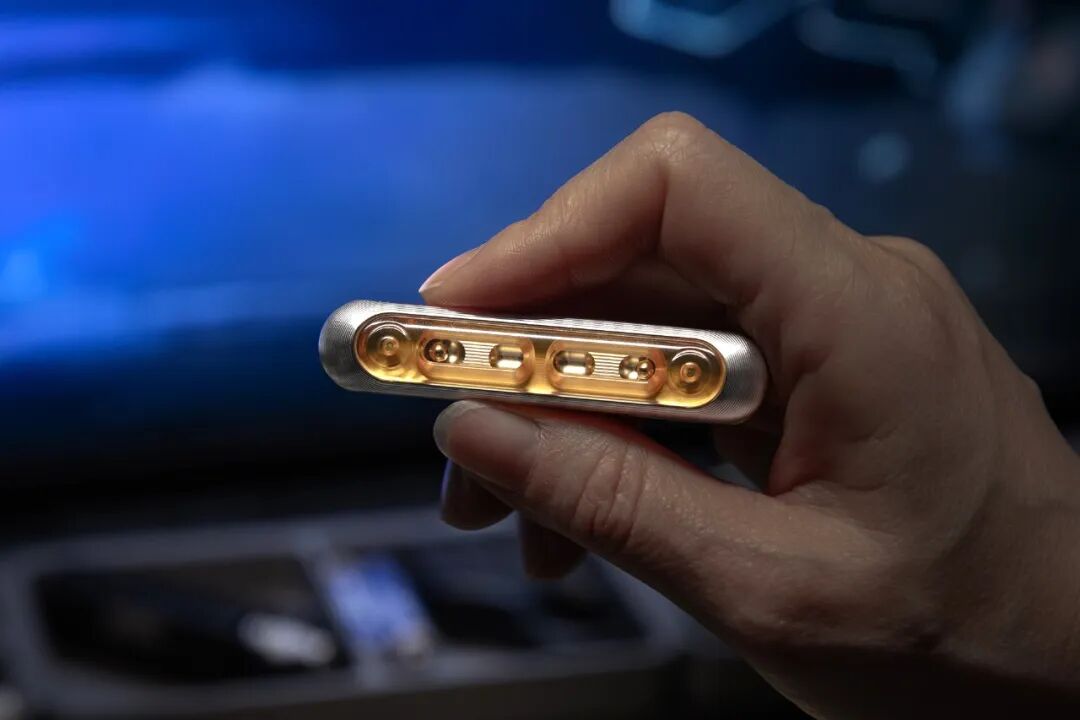 Fidget SliderSliding movement, detents and combined play.Read guide →
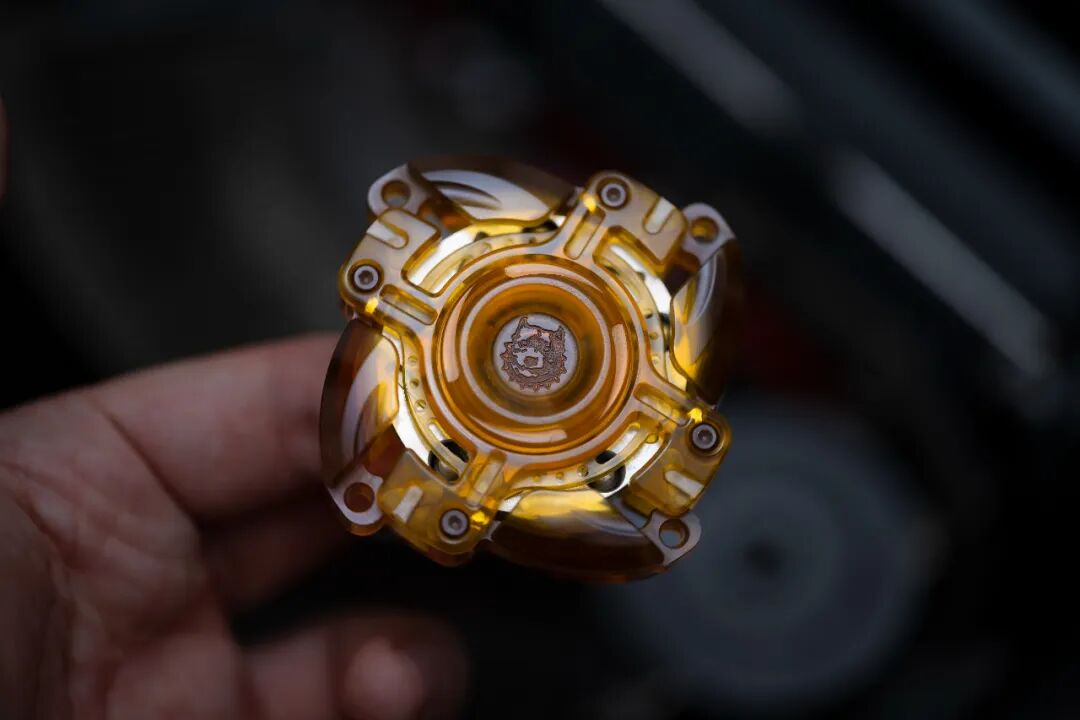 SpinnerSpin, tactile feedback and ways to hold or support a spinner.Read guide →
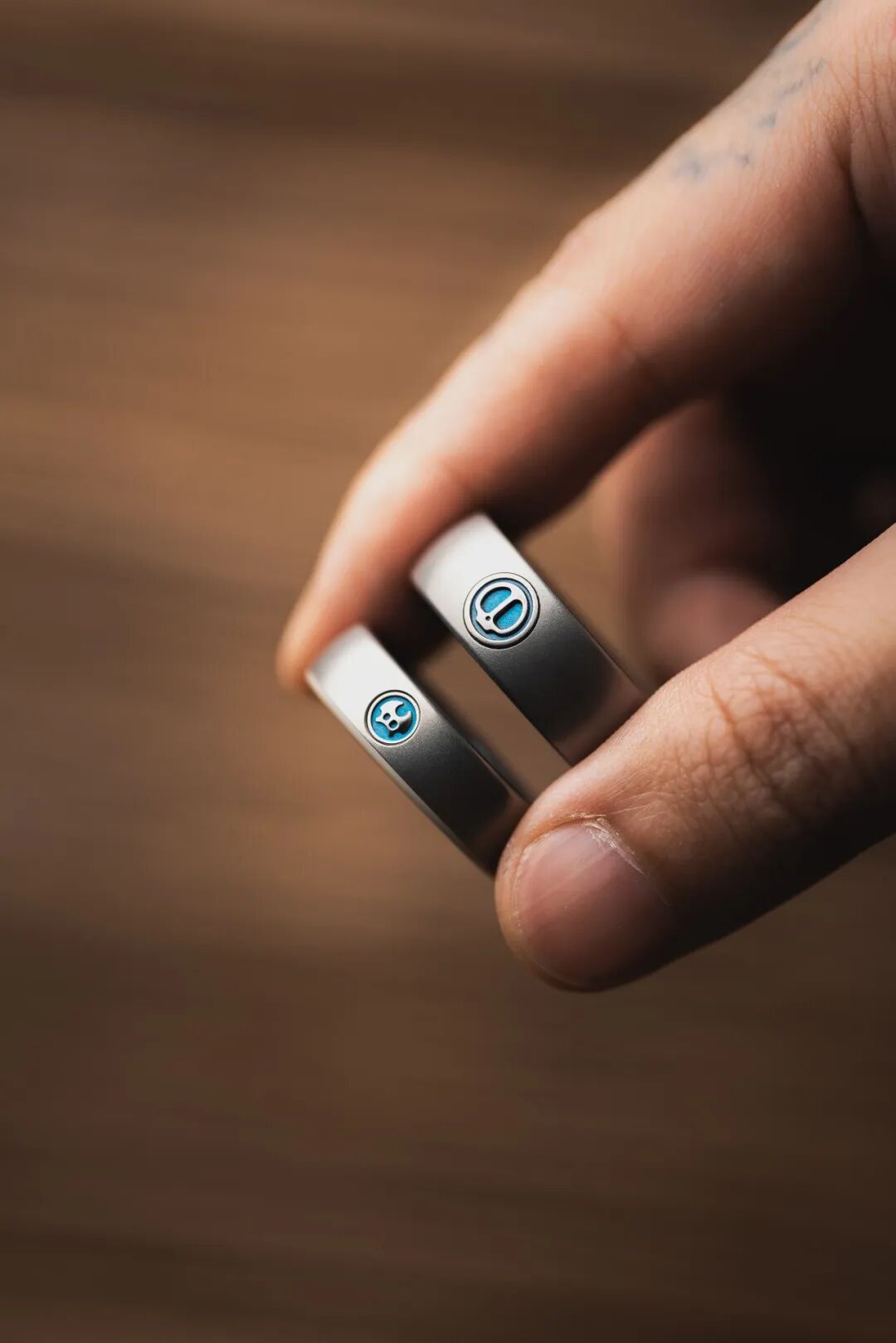 Fidget RingTurning feedback, construction and ring dimensions.Read guide →
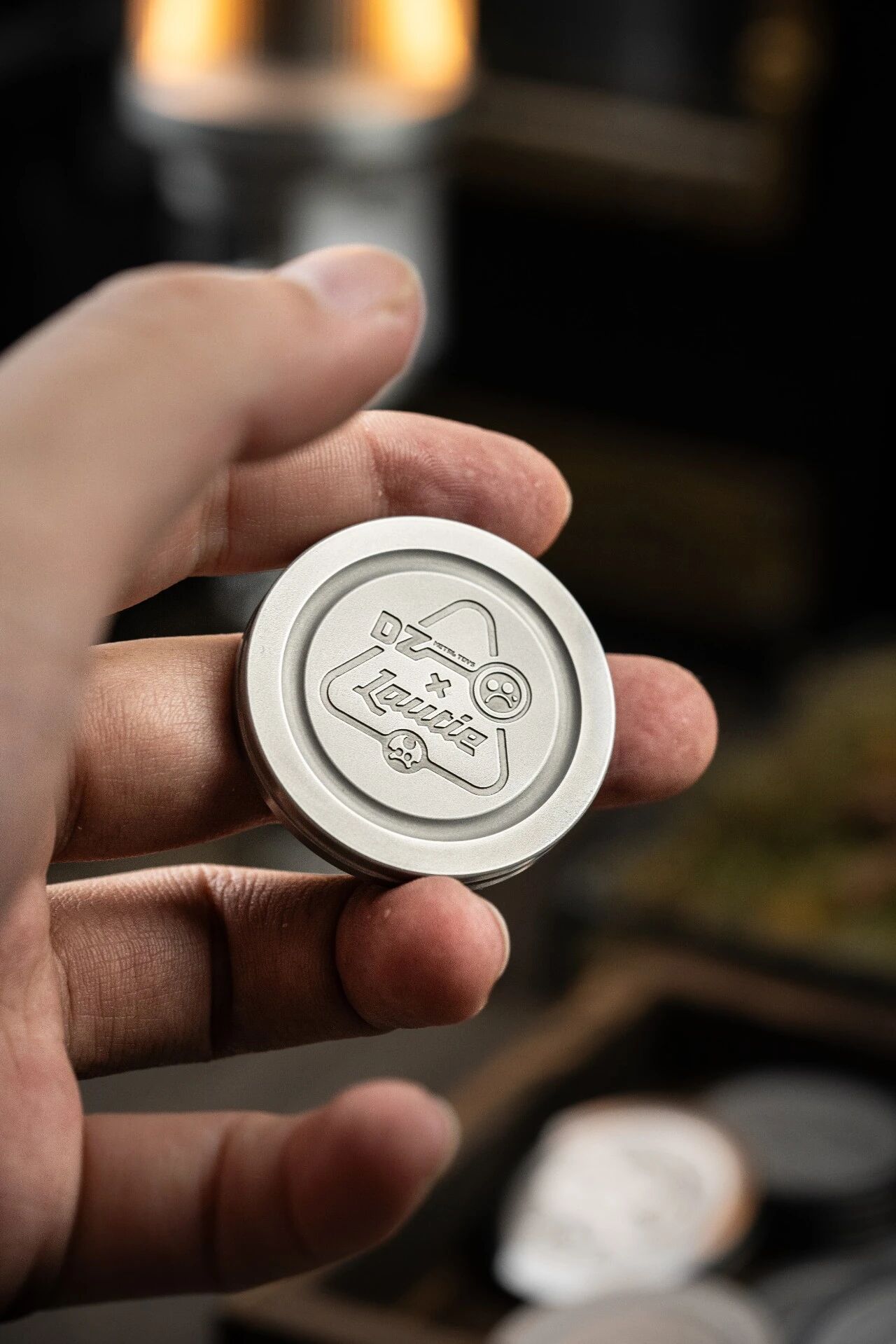 Haptic CoinTurning, pressing and different feedback structures.Read guide →
 KnuckleGrip forms, moving parts and feedback.Read guide →
 Knives & ToolsBlade formats, locking mechanisms and everyday tools.You are here
